

Design
- Home
- Fire Protection
- Services
- Design
Overview

In fire protection engineering, design refers to the full process of planning, sizing, specifying and documenting a fire safety system so that it meets legal requirements, performance objectives and the specific risks of the asset. This begins with assessing the hazard level and selecting the appropriate suppression system. Engineers then develop detailed calculations, hydraulic modelling and coordinated drawings that show pipe sizes, nozzle locations, flow rates and connection points. Also included in this service is the engineering package which provides the technical foundation for fabrication, installation and commissioning, ensuring the system operates reliably and protects both people and property in the event of an emergency.
Why Design Matters
Design matters in a fire suppression system because it is the foundation that ensures the system will perform correctly and reliably during an emergency. A well put together design considers the assets layout, occupancy, fire load and local regulations to determine the most effective suppression strategy. This includes selecting the right system type, calculating water demand, piping size and ensuring nozzles / sprinkler heads are positioned correctly for full coverage.
When design is accurate and compliant, it reduces installation errors, avoids costly rework and ensures the system meets recognised standards such as NFPA or BS EN.
Most importantly, good design can directly impact life, ensuring water or the suppressant reaches the fire quickly and in sufficient quantity to control or extinguish it. Ultimately, the quality of the design determines the reliability, efficiency and long term effectiveness of the entire fire protection system.
How We Deliver
We typically provide design through a multi stage process that combines technical expertise, regulatory compliance and close coordination with the wider project team. It usually begins with a detailed site assessment and hazard analysis, where the designers / engineers review asset plans, fire risks and applicable standards. They will then develop a concept design, determining system type, system demand i.e. water or gas.
Detailed hydraulic calculations and isometric drawings are then created. Showing piping routes, nozzle layout, valves etc. These are then submitted and signed off by the approving authority.
What’s Included in Installation
The design process of a fire suppression system typically includes a series of structured steps that ensures the system is safe, compliant and effective.
- Initial assessment and data collection
Review of asset drawings, understanding asset occupancy, identifying fire hazards and confirm applicable standards - Hazard classification
Determining hazard level – which drives system selection, demand etc - System selection and design
Choose the appropriate system for hazard, outline overall protection strategy, suppression type / zoning etc - Hydraulic calculations
Detailed hydraulic calculations determine required flow, pressure, pipe sizing, pump demand and system performance under worst case scenario conditions - Detailed drawings
Models will show pipe routes, nozzle location, valves etc - Checks and reviews
Internal reviews and if required third party approvals - Issue package
Complete all documentation and install to be commissioned
These elements provide versatile, dependable solutions for demanding wells
FAQ
What standards do I have to follow?
Depending on location, insurer or even asset type can influence the standard that has to be followed. Typically NFPA or EN standards are followed.
How is hazard classification determined?
Engineers assess the asset, fuel load, occupancy and fire risk. These will determine classification which in turn will determine the system type, flows and pressures required.
Can design be revised at a later date?
Yes. However, changes to layout, structure or fire strategy may require updates to drawings and calculations.
How do hydraulic calculations work?
You should follow structured safety and compliance steps.
Hydraulic calculations model the flow and pressure needed for the “worst case” area of the asset. These calculations determine pipe diameters, pump sizing, systems performance under fire conditions.
Do I need hydraulic calculations?
Yes. Hydraulic calculations are essential because they prove that the system can deliver the required flow and pressure to control a fire under the worst case scenario. Most standards make hydraulic calculations mandatory as part of the design process.
About Paradigm Fire Protection Services
About Paradigm Fire Protection Services
Paradigm Fire Protection Service offers performance based deluge testing technologies and remediation services.
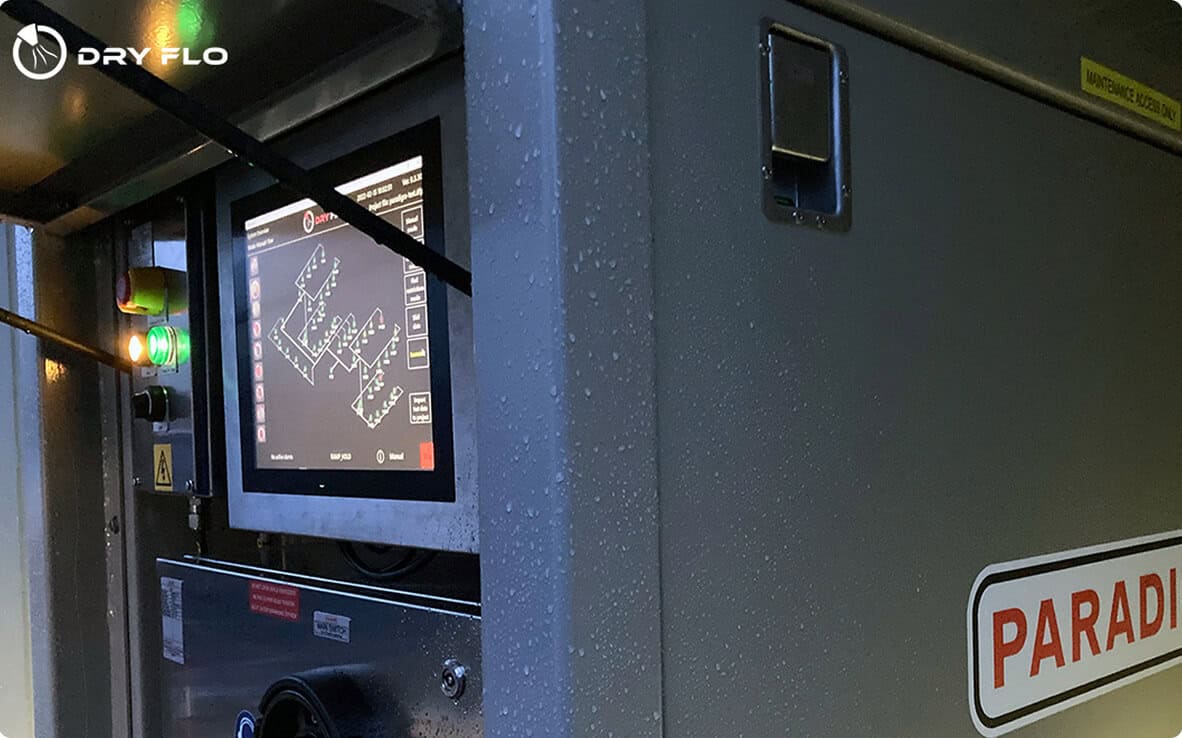
Save cost, reduce operational disruption and increase asset lifespan with Paradigm Dry Deluge Testing: The only verified dry deluge test in the world Dry-Flo® testing involves flowing low-pressure, dried air into the deluge system. At low pressures air replicates the flow of water exactly, enabling us to take readings throughout the deluge system to prove compliance. Our software package processes this information to give live data in both a graphical and numerical format so the operator can quickly identify whether a system is compliant. If this isn’t the case the software can immediately show the operator where the issue is within the system, allowing our technicians to inspect and remediate as necessary. Dry-Flo® has been qualified in accordance with DNV-DSS-401, Technology Management /1/ and DNV GL considers it qualified for its intended use following DNV RP-A203 /2/ and is currently undergoing Bureau Veritas and Lloyds Register certification procedures.
Contact Paradigm
Do you wish to discuss a project, have a technical product application question or need to know more about a product or service? Leave us your contact details and an expert from our team will be in touch with you shortly.
Paradigm Group BV is committed to protecting and respecting your privacy, and we’ll only use your personal information to administer your account and to provide the products and services you requested from us. From time to time, we would like to contact you about our products and services, as well as other content that may be of interest to you. You can unsubscribe from these communications at any time. For more information on how to unsubscribe, our privacy practices, and how we are committed to protecting and respecting your privacy, please review our Privacy Policy. By clicking submit button, you consent to allow Paradigm Group BV to store and process the personal information submitted above to provide you the content requested.