

Performance Test and Verification
- Home
- Fire Protection
- Services
- Performance Test and Verification
Overview
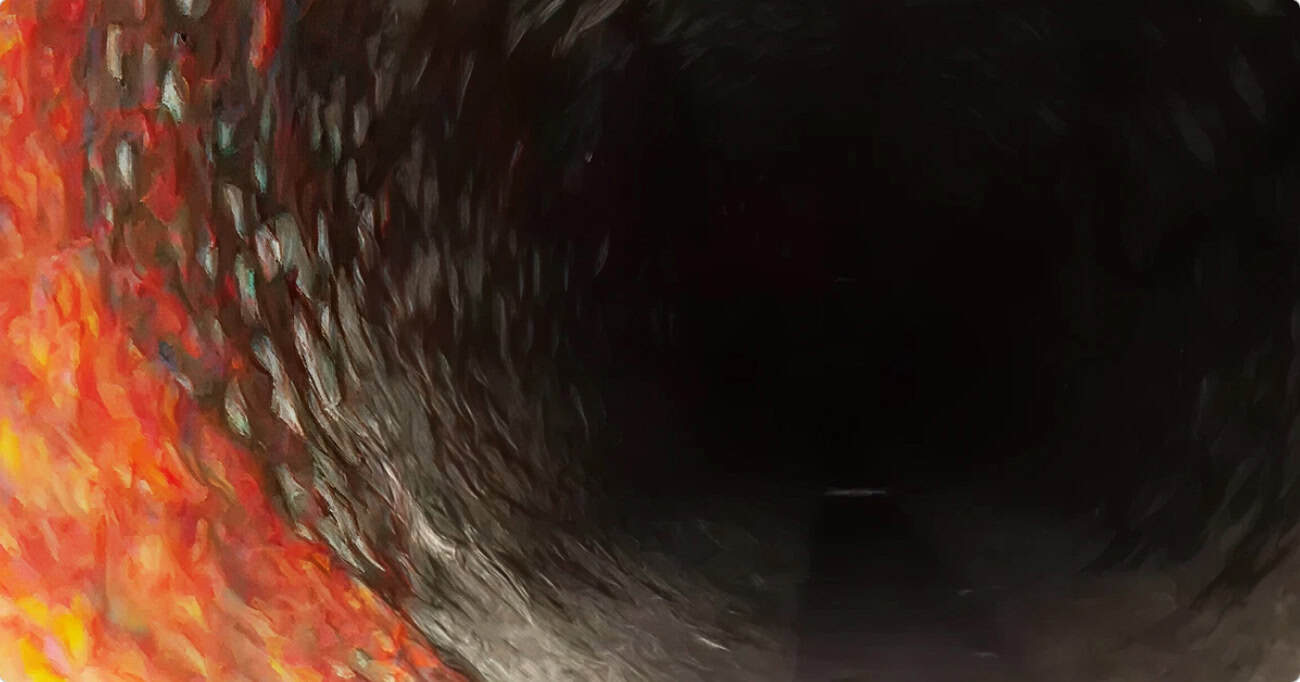
Performance Test and Verification is Paradigm’s service for proving the integrity and real-world capability of deluge and firewater systems—using evidence, not assumptions. We combine remote visual inspection with engineering verification to identify what’s happening inside your firewater ringmain and how that affects system performance.
You get clear, decision-ready findings: where degradation or debris is present, what it means for compliance, and what to do next. When required, we support verification against relevant NFPA requirements through hydraulic modelling and risk-based engineering studies to justify maintenance timing and scope.
Why Performance Test and Verification Matters
Deluge systems can “look fine” externally while being degraded internally by corrosion products, microbial growth, or marine debris—especially in offshore and marine environments. That hidden restriction risk can reduce water delivery where it matters most: at nozzles and critical zones. Performance Test and Verification helps operators, duty holders and insurers move from uncertainty to documented evidence.
Typical use cases include:
- Before a wet test or commissioning: identify internal debris so it doesn’t get swept through the ringmain during high-flow events.
- After repeated wet testing: investigate suspected scaling/corrosion and plan targeted cleaning or replacement instead of blanket work.
- When compliance evidence is needed: support NFPA-aligned verification with hydraulic modelling and documented inspection records.
- When water discharge is constrained: build an evidence base to choose the safest verification strategy (inspection + modelling + dry testing where appropriate)
How We Deliver
Fire‑fighting foam testing follows a structured methodology designed to assess both the quality of the foam concentrate and the performance of the foam system. First, representative samples are collected from storage tanks or system lines, ensuring the contents are properly mixed before sampling.
These samples undergo analysis for key properties such as pH, specific gravity, sediment, expansion ratio, and drain time to detect degradation, dilution, or contamination. In parallel, proportioning equipment is evaluated using approved input or output methods to confirm accurate mixing of concentrate and water, as required by standards such as NFPA. Produced foam may also be tested to verify that expansion and stability meet performance criteria set out in standards like NFPA 11 and EN 1568. Finally, results are compiled into a detailed report with recommendations to maintain compliance and ensure the system remains fully operational
What’s Included in Performance Test and Verification
We provide a structured, evidence-led workflow combining internal inspection with engineering verification so you can act quickly and confidently.
Our approach typically includes:
- We inspect internally using remote visual inspection and borescope deployment in the firewater ringmain to capture clear imagery and confirm condition in small-bore pipework and main headers.
- We assess debris and degradation (including microbial or marine debris) and explain the likely impact on deluge performance and operational risk.
- We verify performance by calculation using industry-approved tools (e.g., PIPENET) for hydraulic modelling, and we can add fire risk/consequence studies where required.
- We recommend concrete actions: targeted cleaning, nozzle/pipe replacement, impairment planning, or the right performance testing route (wet, dry, or hybrid).
The outcome is practical: clear evidence to justify immediate maintenance or safely plan future maintenance, with supporting documentation for stakeholders.
FAQ
What is deluge performance test and verification?
It’s a service that provides evidence that your deluge and firewater system can deliver the required performance—and identifies where it cannot. We combine internal inspection (remote visual inspection/borescope evidence) with engineering verification such as hydraulic modelling. The result is a clear statement of condition, risks, and recommended actions, supporting compliance decisions and maintenance planning without relying on assumptions.
When should we use borescope inspection in ringmains?
Use borescope inspection when you need to confirm what’s happening inside the firewater ringmain—especially if you suspect corrosion products, microbial growth, or marine debris. It’s also valuable before wet testing or major system activation, because internal debris can migrate and worsen restrictions. Borescope evidence gives a defensible basis to decide whether to clean, replace, or proceed with testing.
Can you verify NFPA compliance without wet testing?
In many cases, we can support NFPA-aligned verification by combining internal condition evidence with hydraulic modelling and engineering studies to confirm expected performance—and to justify the right test strategy. Where water discharge is constrained or disruption is unacceptable, this approach helps stakeholders choose a safe, evidence-led route (which may include dry testing where appropriate). Final acceptance always depends on the duty holder and verifying authority.
What outputs do we receive after the service?
You receive an evidence pack with inspection findings (images/video where applicable), an engineering verification summary, and a practical action plan. That typically includes identified areas of concern, likely performance impact, recommended remediation options, and guidance on next steps—such as targeted cleaning, nozzle/pipe replacement, or a defined performance test route. The intent is to make decisions faster and reduce “blanket” maintenance.
Which industries benefit most from this service?
Any asset with deluge or firewater systems benefits. Offshore environments can introduce marine debris and accelerate degradation, while large sites often need modelling to validate real flow/pressure at remote zones. The service helps create documented assurance for operators, insurers, and regulators
About Paradigm Fire Protection Services
About Paradigm Fire Protection Services
Paradigm Fire Protection Service offers performance based deluge testing technologies and remediation services.
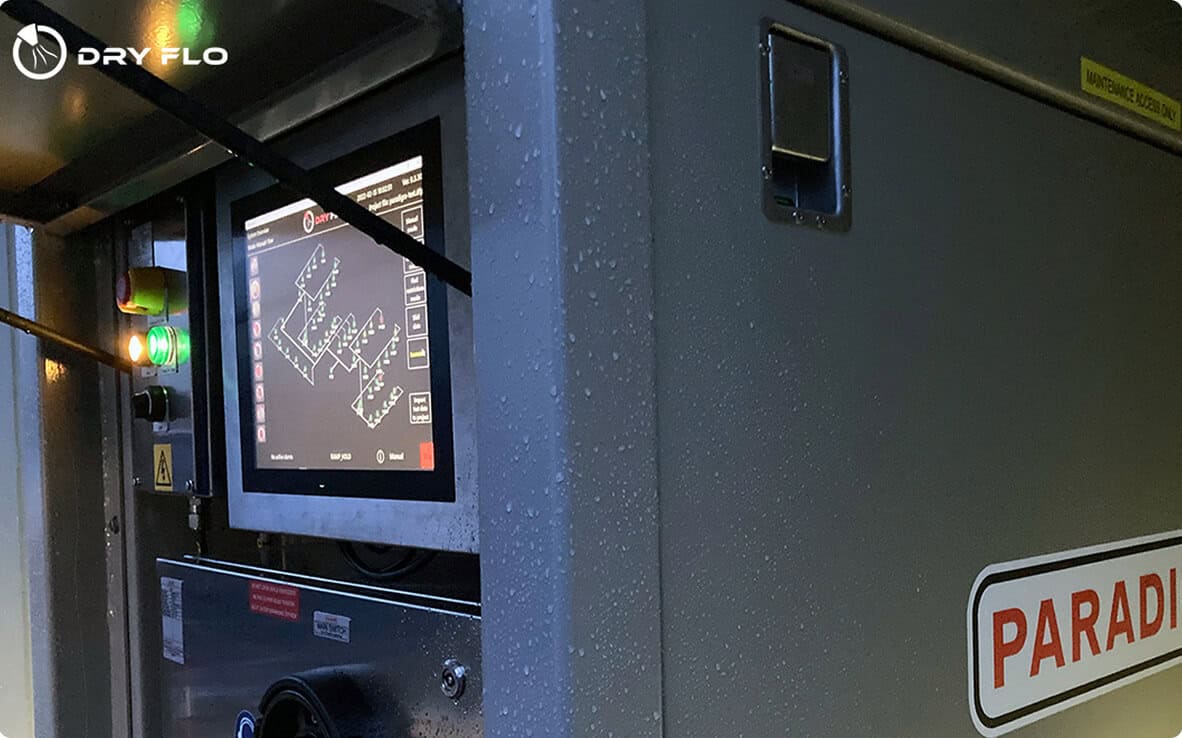
Save cost, reduce operational disruption and increase asset lifespan with Paradigm Dry Deluge Testing: The only verified dry deluge test in the world Dry-Flo® testing involves flowing low-pressure, dried air into the deluge system. At low pressures air replicates the flow of water exactly, enabling us to take readings throughout the deluge system to prove compliance. Our software package processes this information to give live data in both a graphical and numerical format so the operator can quickly identify whether a system is compliant. If this isn’t the case the software can immediately show the operator where the issue is within the system, allowing our technicians to inspect and remediate as necessary. Dry-Flo® has been qualified in accordance with DNV-DSS-401, Technology Management /1/ and DNV GL considers it qualified for its intended use following DNV RP-A203 /2/ and is currently undergoing Bureau Veritas and Lloyds Register certification procedures.
Contact Paradigm
Do you wish to discuss a project, have a technical product application question or need to know more about a product or service? Leave us your contact details and an expert from our team will be in touch with you shortly.
Paradigm Group BV is committed to protecting and respecting your privacy, and we’ll only use your personal information to administer your account and to provide the products and services you requested from us. From time to time, we would like to contact you about our products and services, as well as other content that may be of interest to you. You can unsubscribe from these communications at any time. For more information on how to unsubscribe, our privacy practices, and how we are committed to protecting and respecting your privacy, please review our Privacy Policy. By clicking submit button, you consent to allow Paradigm Group BV to store and process the personal information submitted above to provide you the content requested.