

Foam Testing
- Home
- Fire Protection
- Services
- Foam Testing
Overview
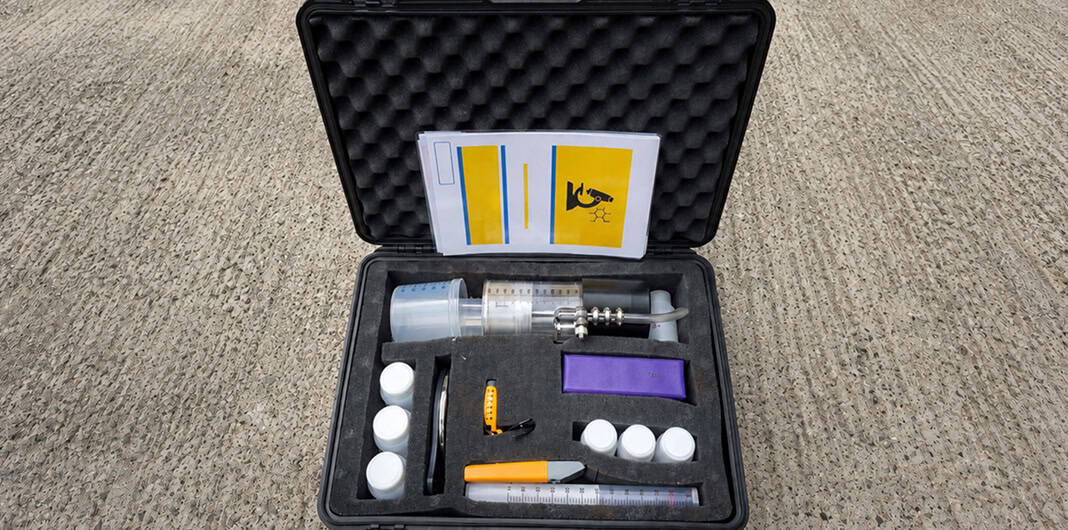
Foam Testing: Fire‑fighting foam testing is the process of evaluating foam concentrates and system performance to ensure they will work effectively during an emergency. It typically involves collecting representative foam samples, followed by laboratory analysis to check properties such as pH, specific gravity, expansion ratio, and drain time. These tests identify degradation, contamination, or dilution that can reduce extinguishing performance. Standards such as NFPA 25 require annual testing of foam concentrates to verify ongoing quality, while additional standards (e.g., NFPA 11 and EN 1568) outline performance criteria. Regular testing ensures foam systems remain reliable, compliant, and ready for use when needed.
Why Foam Testing Matters
Regular fire‑fighting foam testing is critical because it ensures that foam concentrates and delivery systems will perform as expected when lives, property, and high‑risk environments depend on them.
Over time, foam can degrade due to contamination, dilution, temperature changes, or chemical breakdown, which can significantly reduce its extinguishing effectiveness if not detected early. Industry standards such as NFPA 25 require annual testing to verify foam quality and confirm that it still meets performance specifications, reinforcing system reliability and safety compliance.
Laboratory tests—such as checks on pH, specific gravity, expansion ratio, and drain time—help identify whether the foam has deteriorated or become unsuitable for use, while system testing ensures that proportioning equipment delivers the correct concentration during an emergency. Without regular evaluation, a fire‑fighting system may appear functional but fail under real conditions, particularly in high‑hazard environments like aviation, petrochemical facilities, and marine operations. Consistent testing not only reduces the risk of system failure but also safeguards personnel, minimizes environmental impact, and helps organizations avoid regulatory breaches.
Overall, fire‑fighting foam testing is an essential preventive measure that ensures readiness and maintains the highest level of fire protection performance.
How We Deliver
Fire‑fighting foam testing follows a structured methodology designed to assess both the quality of the foam concentrate and the performance of the foam system. First, representative samples are collected from storage tanks or system lines, ensuring the contents are properly mixed before sampling.
These samples undergo analysis for key properties such as pH, specific gravity, sediment, expansion ratio, and drain time to detect degradation, dilution, or contamination. In parallel, proportioning equipment is evaluated using approved input or output methods to confirm accurate mixing of concentrate and water, as required by standards such as NFPA. Produced foam may also be tested to verify that expansion and stability meet performance criteria set out in standards like NFPA 11 and EN 1568. Finally, results are compiled into a detailed report with recommendations to maintain compliance and ensure the system remains fully operational
What’s Included in Foam Testing
1. System Documentation and Design Review
- System drawings and hydraulic calculations
- Foam type
- Design standards
2. Foam Concentrate Inspection
- Foam storage tanks / containers
- Correct foam type and concentration
- Expiry date and manufacturers recommendations
- System demand and quantity available
- Sample testing for foam quality (viscosity, sediment pH etc).
3. Proportioning System Checks
- Inline proportioners, bladder tanks, pump proportioners
- Visual conditioning and accessibility
- Calibration and flow accuracy
- System demand and quantity available
- Valve positions and settings
- Line flushing or simulated flow testing
4. Water Supply
- Water source capacity (fire pumps, storage tanks etc).
- Pressure and flow availability
- Isolation valves
- System demand and quantity available
- Strainers
5. Pipework and Discharge Devices
- Pipework condition
- Supports / brackets
- Nozzles / Monitors
- Orientation
- Obstructions and access
6. Detection and Activation
- Check detection system e.g. flame, heat manual
7. Functional testing
- Foam system trip tests
- Proportioning verification
- Valve operation
- Drainage
8. Safety and Environmental
- Containment and drainage
- Safety and Environmental
- Environmental compliance
- Procedures
9. Maintenance and Compliance Records
- Inspection and testing history
- Defects and actions
- Compliance with insurance and AHJ
FAQ
Why do I need to “foam test”?
To ensure the system will work to design in the event of an emergency. Foam can degrade, separate and become contaminated over time, even if the system has never been used. Testing confirms that the foam is still compatible, that it mixes with water at the correct concentration and as said above, that it will work correctly in the time of need. Testing is also required by authorities, insurers and standards which all ensure reliability in the event of an emergency.
How often should I test my foam?
Based on NFPA standards, annual testing is the baseline. However, visual checks should be performed quarterly i.e. piping, valves, monitors, access etc. Annually the foam concentrate should be lab tested, foam proportioning should be measured, full system inspection and functional test should occur.
Is testing intrusive?
Overall it is generally low-intrusive. Following NFPA standards, majority of the testing can be done without discharging any foam or taking the system out of action.
What if testing finds anomalies?
You should follow structured safety and compliance steps.
- Stop the test and secure area
- Document anomaly
- Conduct inspection
- Take corrective action
- Send foam samples for testing
- Retest after system corrections
- Ensure maintenance records are updated
About Paradigm Fire Protection Services
About Paradigm Fire Protection Services
Paradigm Fire Protection Service offers performance based deluge testing technologies and remediation services.
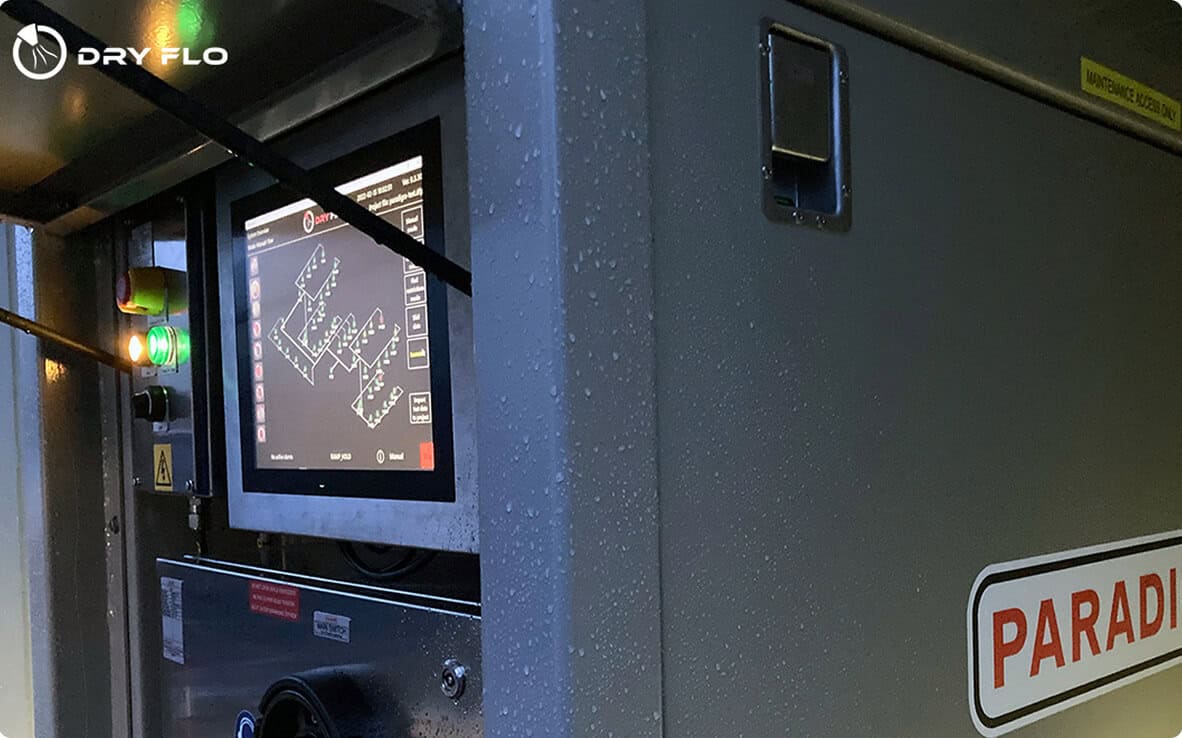
Save cost, reduce operational disruption and increase asset lifespan with Paradigm Dry Deluge Testing: The only verified dry deluge test in the world Dry-Flo® testing involves flowing low-pressure, dried air into the deluge system. At low pressures air replicates the flow of water exactly, enabling us to take readings throughout the deluge system to prove compliance. Our software package processes this information to give live data in both a graphical and numerical format so the operator can quickly identify whether a system is compliant. If this isn’t the case the software can immediately show the operator where the issue is within the system, allowing our technicians to inspect and remediate as necessary. Dry-Flo® has been qualified in accordance with DNV-DSS-401, Technology Management /1/ and DNV GL considers it qualified for its intended use following DNV RP-A203 /2/ and is currently undergoing Bureau Veritas and Lloyds Register certification procedures.
Contact Paradigm
Do you wish to discuss a project, have a technical product application question or need to know more about a product or service? Leave us your contact details and an expert from our team will be in touch with you shortly.
Paradigm Group BV is committed to protecting and respecting your privacy, and we’ll only use your personal information to administer your account and to provide the products and services you requested from us. From time to time, we would like to contact you about our products and services, as well as other content that may be of interest to you. You can unsubscribe from these communications at any time. For more information on how to unsubscribe, our privacy practices, and how we are committed to protecting and respecting your privacy, please review our Privacy Policy. By clicking submit button, you consent to allow Paradigm Group BV to store and process the personal information submitted above to provide you the content requested.