

Composite Wireline Cable
- Home
- Well Intervention
- Solutions
- Composite Wireline Cable
Composite Wireline Cable

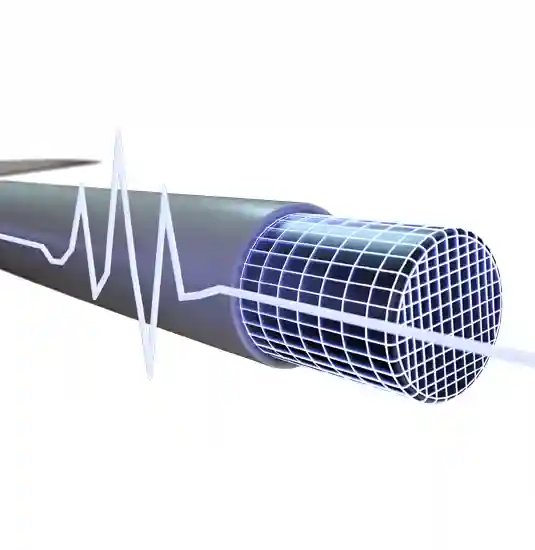
Composite Wireline Cable is a lightweight, high-strength cable designed to improve the efficiency and reach of modern well intervention operations. It combines advanced composite materials with integrated electrical conductors, enabling reliable data transmission while significantly reducing cable weight compared with conventional steel wireline.
Developed for oil and gas operators and well intervention service companies, the cable is used to deploy logging tools and sensors in challenging well environments. Its corrosion-resistant composite structure helps extend operational life while maintaining strong mechanical performance.
By reducing cable weight and friction, Composite Wireline Cable allows deeper tool deployment, improved operational control, and safer wellsite operations—making it a valuable solution for complex wireline and intervention projects.
Applications
Composite Wireline Cable is primarily used in wireline logging and well intervention operations within the oil and gas industry. It enables operators to deploy downhole tools for data acquisition, diagnostics, and mechanical operations while maintaining reliable electrical communication between surface equipment and downhole sensors.
In open-hole and cased-hole logging, the cable conveys measurement tools that collect data such as pressure, temperature, formation properties, and production performance. Because the composite cable is significantly lighter than conventional steel wireline, it reduces drag and line tension during deep or highly deviated well operations. This allows tools to reach greater depths while maintaining safe operating limits.
Another common application is deepwater and offshore operations, where long cable lengths are required to reach deep reservoirs. The reduced weight of Composite Wireline Cable minimizes load on the winch and surface equipment, improving system reliability and reducing operational strain.
The cable is also well suited for harsh or corrosive well environments, such as wells containing high levels of hydrogen sulfide (H₂S) or CO₂. Its corrosion-resistant composite structure helps maintain cable integrity and extend operational life.
By enabling deeper reach, reliable data transmission, and improved handling characteristics, Composite Wireline Cable supports efficient well diagnostics, reservoir evaluation, and production optimization workflows.
Benefits
Composite Wireline Cable offers several advantages that improve performance and reliability in wireline operations:
- Significantly reduced cable weight
Composite materials make the cable substantially lighter than traditional steel wireline. This reduces line tension and allows tools to reach deeper wells while staying within safe load limits.
- Greater reach in deep or deviated wells
Lower friction and reduced weight improve tool conveyance in long or highly deviated wells. Operators can reach target depths more reliably without requiring additional intervention equipment.
- Improved corrosion resistance
The composite structure provides strong resistance to corrosive environments, including wells containing CO₂ or H₂S. This increases cable lifespan and reduces replacement frequency.
- Enhanced operational safety
Reduced cable weight and lower surface tension loads improve handling during rig-up and operations. This helps decrease strain on equipment and personnel during deployment.
- Reliable electrical data transmission Integrated electrical conductors support consistent communication between downhole tools and surface systems. This ensures accurate data acquisition during logging and intervention activities.
FAQ
What is Composite Wireline Cable used for?
Composite Wireline Cable is used to deploy logging and diagnostic tools into oil and gas wells during wireline and well intervention operations. It carries downhole sensors while simultaneously transmitting electrical signals and measurement data to surface systems. Because the cable is lightweight and strong, it is particularly useful for deep wells or complex well trajectories where traditional steel cables may struggle with tension or drag limitations.
How does Composite Wireline Cable differ from steel wireline?
Composite Wireline Cable differs from steel wireline by using advanced composite materials instead of a fully metallic structure. This significantly reduces cable weight while maintaining high tensile strength and electrical conductivity. The lighter construction reduces line tension and drag in deep wells, allowing operators to reach greater depths and operate more efficiently while still transmitting real-time data from downhole tools.
Can Composite Wireline Cable operate in corrosive wells?
Yes, Composite Wireline Cable is designed to perform reliably in corrosive well environments. Its composite structure provides resistance to chemicals commonly found in oil and gas wells, including hydrogen sulfide (H₂S) and carbon dioxide (CO₂). This corrosion resistance helps extend the cable’s operational life and reduces the risk of damage or failure during wireline logging or intervention activities.
Is Composite Wireline Cable suitable for deep wells?
Yes, Composite Wireline Cable is particularly beneficial for deep wells because of its reduced weight compared with steel cables. Lower cable weight means reduced line tension, allowing longer cable lengths to be deployed without exceeding equipment limits. This enables operators to reach deeper targets and conduct logging or intervention operations more safely and efficiently.
Does Composite Wireline Cable improve operational efficiency?
Yes, Composite Wireline Cable can significantly improve operational efficiency in wireline and well intervention operations. Its lighter weight reduces friction and mechanical load on surface equipment, making tool deployment smoother and more reliable. This helps operators reach target depths faster, reduce equipment strain, and complete logging operations with fewer operational challenges.
About Paradigm Well Intervention Services
About Paradigm
Well Intervention Services
We deliver innovative, end-to-end Well Intervention solutions by combining Paradigm’s step-change technologies with sector-leading intervention and well-logging capabilities. Our foundation is built on the Slick-E-Line® and Slick-O-Line® (Fibre-Optics) platforms, enabling the full spectrum of perforating, cased-hole logging, mechanical intervention, and advanced fiber-optics well surveillance.
Our integrated expertise spans the design, engineering and manufacturing of high-precision winch systems, real-time slickline technologies, polymer processing, composite cables and intelligent downhole intervention tools. This capability is exemplified by our Slick-E-Line® system uniting the versatility and efficiency of traditional slickline with the real-time digital data transmission of electric line.
Together, these strengths form a comprehensive and industry-leading Well Intervention discipline that delivers reliable performance, actionable data, and innovative solutions across the lifecycle of the well.
Contact Paradigm
Do you wish to discuss a project, have a technical product application question or need to know more about a product or service? Leave us your contact details and an expert from our team will be in touch with you shortly.
Paradigm Group BV is committed to protecting and respecting your privacy, and we’ll only use your personal information to administer your account and to provide the products and services you requested from us. From time to time, we would like to contact you about our products and services, as well as other content that may be of interest to you. You can unsubscribe from these communications at any time. For more information on how to unsubscribe, our privacy practices, and how we are committed to protecting and respecting your privacy, please review our Privacy Policy. By clicking submit button, you consent to allow Paradigm Group BV to store and process the personal information submitted above to provide you the content requested.