

Inspection (inc. internal, external, nozzles etc)
- Home
- Fire Protection
- Services
- Inspection (inc. internal, external, nozzles etc)
Overview
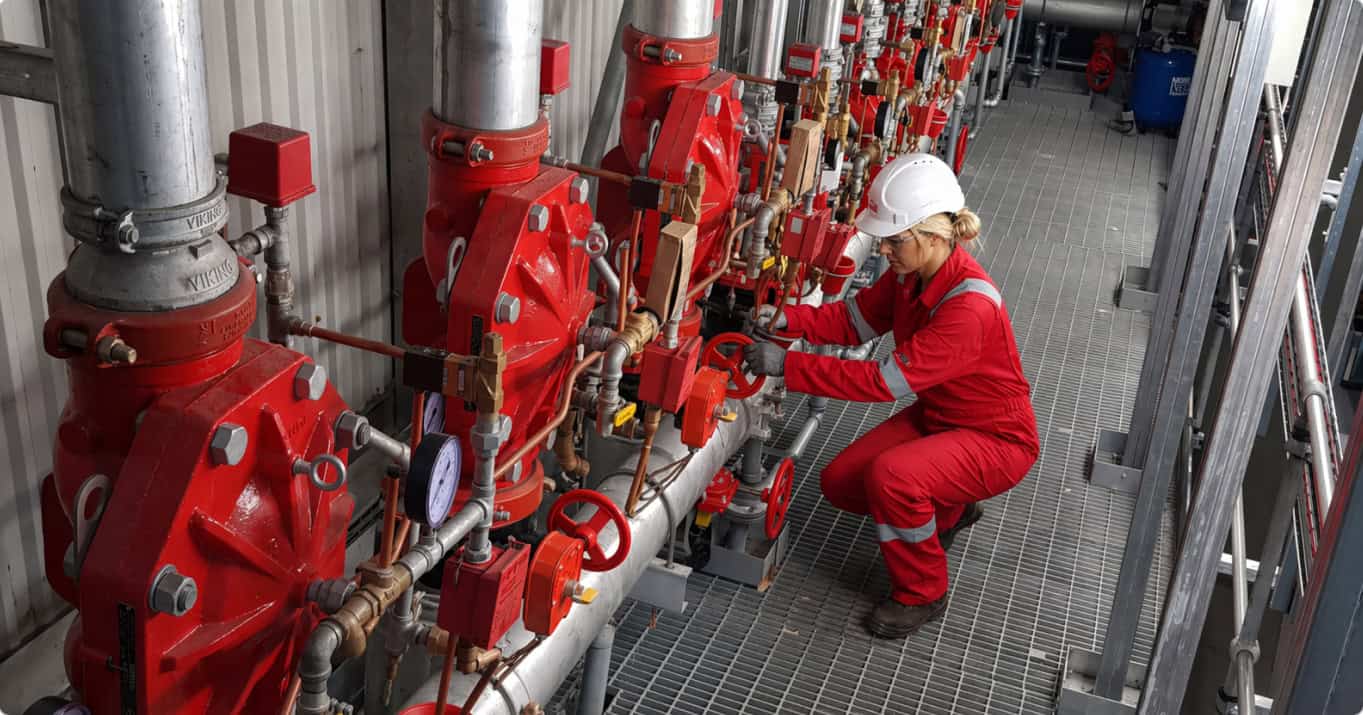
Inspections of fire suppression systems involve a systematic check to ensure all components would function properly when called upon. This process typically includes external and internal inspections where suitable. Inspections can vary depending on equipment. Some may require just a visual inspection. However, some components may require functional inspections to verify they operate correctly and reliably when needed. Visual inspections alone do not prove that functionality is guaranteed.
Why Inspection (inc. internal, external, nozzles etc) Matters
Inspections matter because they ensure that your safety critical systems, such as your fire suppression systems function as intended in the event of an emergency. Over time, components can deteriorate due to wear, environmental conditions, accidental damage or simple aging. Inspections help identify these issues before they develop into failures. By routinely checking performance, condition and compliance, inspections maintain the reliability and readiness of these systems that protect people, property and operations. They also support legal and regulatory compliance, helping organisations demonstrate that they meet required safety standards. Importantly, inspections provide confidence that systems will respond effectively in an emergency, reducing the likelihood of catastrophic incidents and enabling early intervention when concerns arise. In this way, inspections are not just a maintenance activity, they are a proactive safety measure that underpins operational continuity, risk reduction and overall organisational resilience.
How We Deliver
How we would deliver an inspection scope would firstly depend on the type of system. Typically for a fire water suppression system it would involve a structured approach that ensures every component is assessed for performance, reliability and compliance. The process typically begins with a review of system documentation, including drawings, previous reports and any maintenance reports. Depending on dates and equipment involved a visual inspection of the equipment such as pumps, tanks, valves, pipework, strainers etc would be inspected for any visible damage, corrosion, leaks and accessibility issues. Functional testing is also carried out under inspections, this should be carried out on critical equipment. Any impairments, anomalies or deviations from standards are documented with photographs and clear descriptions. The inspection concludes with a detailed report outlining findings, recommended corrective actions and priority levels. With a structured inspection regime it will ensure your fire suppression system remains reliable, compliant and fully capable of performing in an emergency situation.
What’s Included in Maintenance
An inspection of a fire suppression system typically includes a combination of visual checks, functional testing and documentation review to confirm the systems readiness and compliance. Key activities usually include:
- Visual examination – Pipework, nozzles, valves etc
- Verification of system indicators – Pressures, valve positions etc
- Functional checks – Operating valves, full flow of pumps and systems, such as deluge
- Assessment of installation conditions – Ensuring components are still accessible and suitable
- Review of documentation – Maintenance history, defects, recommended corrective actions
FAQ
How intrusive are inspections?
To ensure the system will work to design in the event of an emergency. Foam can degrade, separate and become contaminated over time, even if the system has never been used. Testing confirms that the foam is still compatible, that it mixes with water at the correct concentration and as said above, that it will work correctly in the time of need. Testing is also required by authorities, insurers and standards which all ensure reliability in the event of an emergency.
What kind of inspection do I require?
The type of inspection required is very much case dependent. There are different types of inspections depending on timings and systems. Visual inspections are more frequent but less intrusive. Some inspections require more intrusive inspections such as function testing, these tests tend to be more annually.
What do I get after an inspection?
After completing an inspection you will get a comprehensive report highlighting any corrective measures required
How often should fire suppression systems be inspected?
Fire suppression systems should be inspected regularly based on industry standards, system type, and operational risk. Visual inspections are often conducted monthly or quarterly, while more comprehensive functional testing is typically carried out annually. Paradigm Inspection helps define and implement a tailored inspection schedule, ensuring your systems remain compliant, reliable, and ready to perform when needed.
Can inspections be done without shutting down operations?
Yes, many inspections can be completed without shutting down operations. Visual assessments and certain functional checks are designed to be carried out while systems remain active. Where more intrusive testing is required, Paradigm Inspection works with your team to plan and schedule activities to minimise disruption and maintain operational continuity.
About Paradigm Fire Protection Services
About Paradigm Fire Protection Services
Paradigm Fire Protection Service offers performance based deluge testing technologies and remediation services.
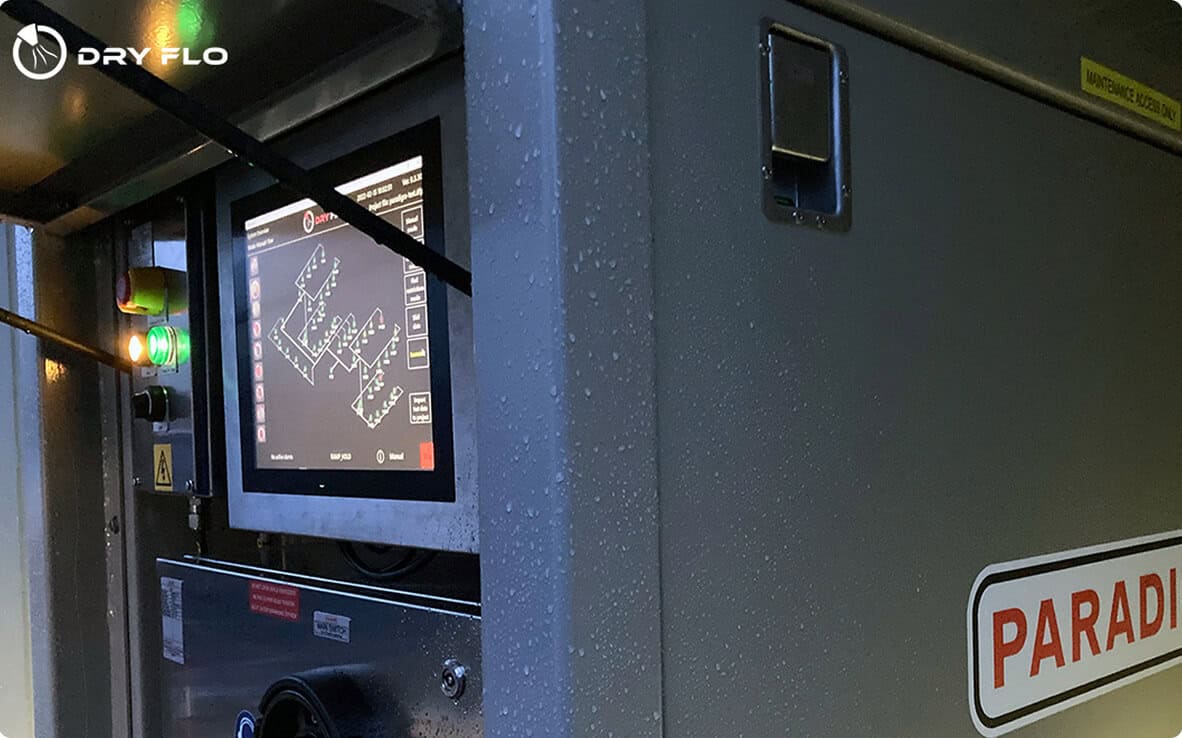
Save cost, reduce operational disruption and increase asset lifespan with Paradigm Dry Deluge Testing: The only verified dry deluge test in the world Dry-Flo® testing involves flowing low-pressure, dried air into the deluge system. At low pressures air replicates the flow of water exactly, enabling us to take readings throughout the deluge system to prove compliance. Our software package processes this information to give live data in both a graphical and numerical format so the operator can quickly identify whether a system is compliant. If this isn’t the case the software can immediately show the operator where the issue is within the system, allowing our technicians to inspect and remediate as necessary. Dry-Flo® has been qualified in accordance with DNV-DSS-401, Technology Management /1/ and DNV GL considers it qualified for its intended use following DNV RP-A203 /2/ and is currently undergoing Bureau Veritas and Lloyds Register certification procedures.
Contact Paradigm
Do you wish to discuss a project, have a technical product application question or need to know more about a product or service? Leave us your contact details and an expert from our team will be in touch with you shortly.
Paradigm Group BV is committed to protecting and respecting your privacy, and we’ll only use your personal information to administer your account and to provide the products and services you requested from us. From time to time, we would like to contact you about our products and services, as well as other content that may be of interest to you. You can unsubscribe from these communications at any time. For more information on how to unsubscribe, our privacy practices, and how we are committed to protecting and respecting your privacy, please review our Privacy Policy. By clicking submit button, you consent to allow Paradigm Group BV to store and process the personal information submitted above to provide you the content requested.