

Pipe Fabrication and Replacement
- Home
- Fire Protection
- Services
- Pipe Fabrication and Replacement
Overview
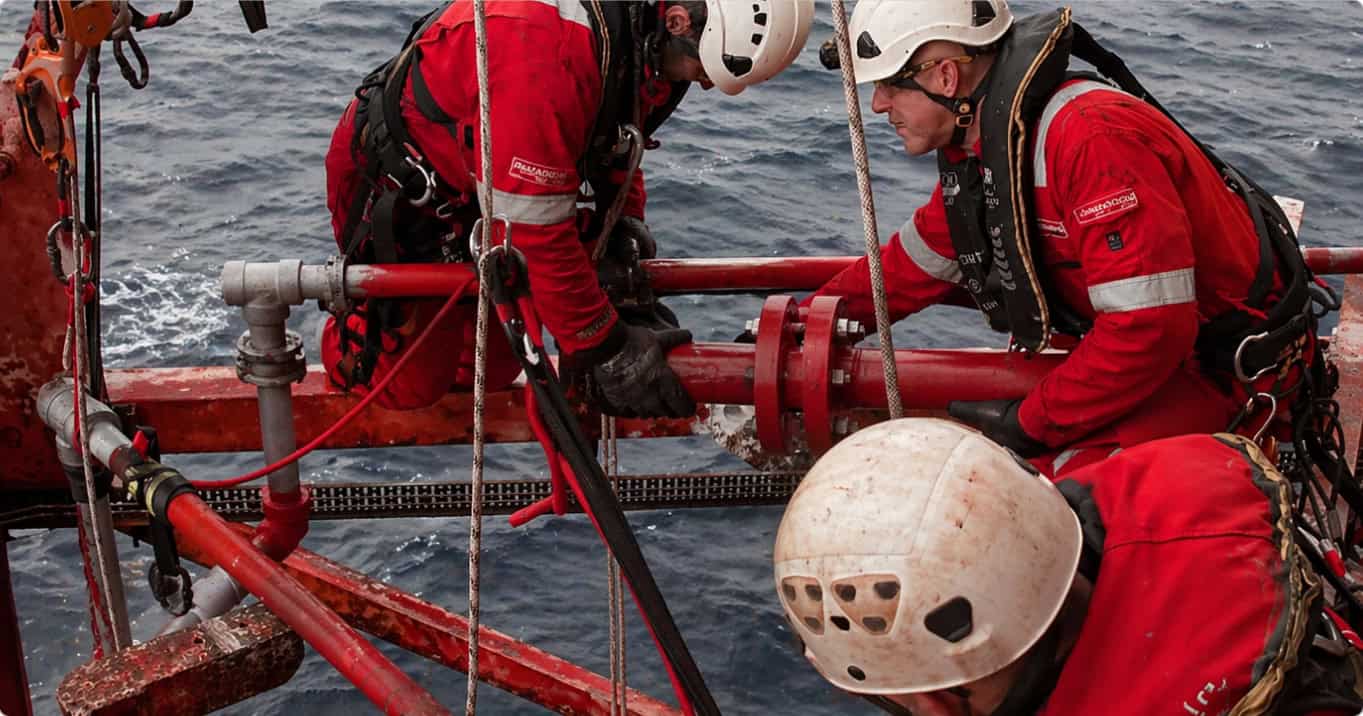
Pipe fabrication is the process of cutting, preparing, assembling and the fitting of pipework that forms the fire suppression system of an asset. Fabrication involves cutting pipes to precise lengths, threading or grooving ends, attaching the required fittings so that each section matches the engineered design.
Fabrication can be done to replace damaged pipework that is already in situ but can also be fabrication of brand new systems. Depending on the type of material that is used for the pipework depends on the methods used for fabrication.
Why Pipe Fabrication and Replacement Matters
Over time, deluge pipework becomes vulnerable to internal corrosion, thinning, blockages, mechanical damage, and joint failures, all of which compromise hydraulic performance. Any restriction, leak, or structural weakness can prevent the system from activating correctly, significantly increasing the risk of escalation in high‑hazard areas.
How We Deliver
Our process for pipe fabrication is designed to allow us to precision, quick installs, reliable performance all whilst meeting relevant standards.
We begin by reviewing the fire suppression system design to understand pipe sizes, routing, pressure requirements and connection details. Using this information, our teams accurately cut and prepare each pipe length using the correct threading / grooving tools dependent on system specification. Upon completion of the newly installed pipework, our teams will ensure that any changes, additions or removals are clearly marked so that system design can be updated if required. Once system has been fully restored, our teams will carry out testing to ensure system is operating as per design.
What’s Included in Pipe Fabrication and Replacement
Typical pipework fabrication deliverables would be some of the following:
- Fabricated pipe sections – carry out fabrication: cutting, threading etc
- Assembly – Install of above fabricated pipework inc. any components such as fittings, nozzles, valves
- Documentation – Ensure all documentation is up to date and matches what has been fabricated and installed
- Testing – Ensure all pipework / fittings installed are fitted correctly and system works as per design
FAQ
What materials are typically used for fire suppression systems?
Most fire suppression systems use steel pipe, such as black steel or galvanised. This is mainly due to its strength and fire resistance. Other materials such as Copper Nickel (CuNi) or stainless steel can be used due to its resistance to rust. Material selection depends on system type, hazard, category, environmental conditions and standards such as NFPA or BS EN.
How are pipes joined together?
Depending on the type of material used there can be a number of ways to join sections of pipe. Typically in fire suppression systems pipes would be joined using threaded fittings, such as elbows or couplings. This allows easier access to systems if required. However, other options for joining pipework can be welding, solvent or grooved.
How accurate is the fabricated pipework?
Fabricated pipework is typically produced to thigh tolerances based on approved drawings. Measurements, angles and fitting positions are checked carefully to ensure that all aligns and provides the coverage needed.
How long does pipe fabrication and replacement take?
You should follow structured safety and compliance steps.
Timelines depend on system size, piping size, complexity i.e. access and material lead times.
What information is needed prior to carrying out pipe replacement?
Pipe replacement would require, system design drawings, pipe material specifications, site surveys (if required) to ascertain all information is correct.
About Paradigm Fire Protection Services
About Paradigm Fire Protection Services
Paradigm Fire Protection Service offers performance based deluge testing technologies and remediation services.
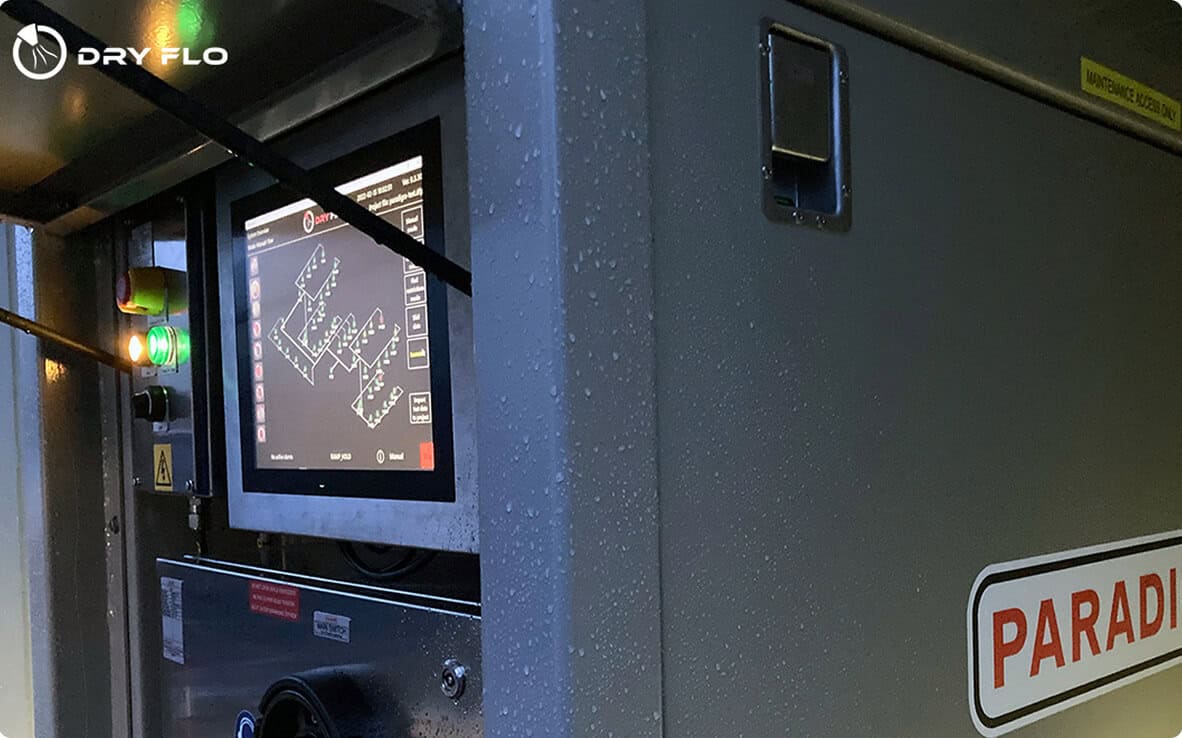
Save cost, reduce operational disruption and increase asset lifespan with Paradigm Dry Deluge Testing: The only verified dry deluge test in the world Dry-Flo® testing involves flowing low-pressure, dried air into the deluge system. At low pressures air replicates the flow of water exactly, enabling us to take readings throughout the deluge system to prove compliance. Our software package processes this information to give live data in both a graphical and numerical format so the operator can quickly identify whether a system is compliant. If this isn’t the case the software can immediately show the operator where the issue is within the system, allowing our technicians to inspect and remediate as necessary. Dry-Flo® has been qualified in accordance with DNV-DSS-401, Technology Management /1/ and DNV GL considers it qualified for its intended use following DNV RP-A203 /2/ and is currently undergoing Bureau Veritas and Lloyds Register certification procedures.
Contact Paradigm
Do you wish to discuss a project, have a technical product application question or need to know more about a product or service? Leave us your contact details and an expert from our team will be in touch with you shortly.
Paradigm Group BV is committed to protecting and respecting your privacy, and we’ll only use your personal information to administer your account and to provide the products and services you requested from us. From time to time, we would like to contact you about our products and services, as well as other content that may be of interest to you. You can unsubscribe from these communications at any time. For more information on how to unsubscribe, our privacy practices, and how we are committed to protecting and respecting your privacy, please review our Privacy Policy. By clicking submit button, you consent to allow Paradigm Group BV to store and process the personal information submitted above to provide you the content requested.