
Overview
Plugging and abandonment (P&A) operations are among the most expensive activities in well lifecycle management. Rig-based P&A requires pulling the completion, mobilising a workover rig, and executing extended campaigns — all at significant day-rate cost.
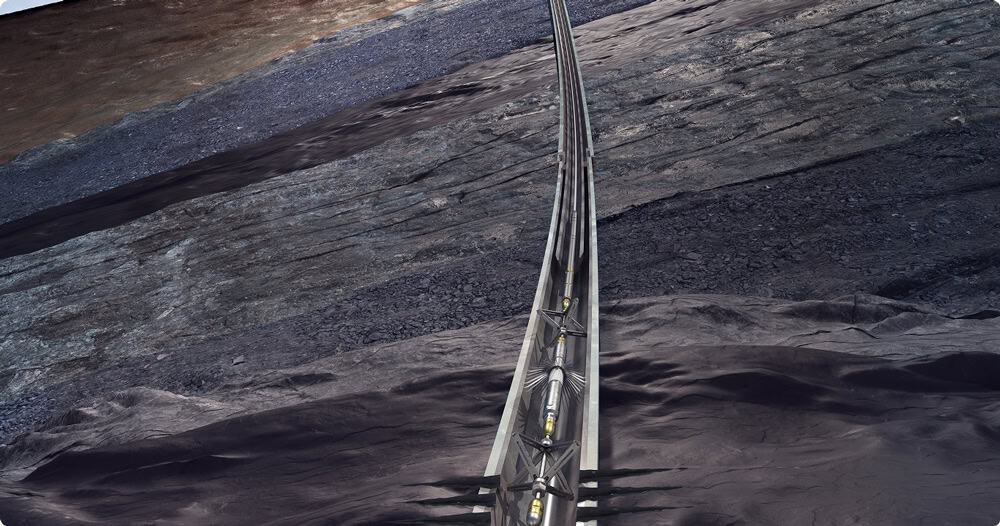
For large decommissioning portfolios, rig-based P&A is often the primary driver of project cost overrun and schedule risk.
Why It Happens
Conventional P&A practice dictates that the completion must be pulled to allow cement placement in open-hole or casing sections, which requires a rig. Regulatory requirements for permanent barriers add further complexity. The industry’s growing decommissioning backlog — combined with rig availability constraints and day-rate volatility — makes rig-based P&A increasingly uneconomic.
How It Can Be Fixed
Execute rigless P&A using wireline-deployed high-expansion plug systems combined with cement placement via Positive Displacement Bailer. Paradigm’s high-expansion elastomeric and basket plugs pass through tight restrictions and set in larger tubulars below, enabling permanent reservoir isolation without pulling the completion. Cement spotting on top of the plug completes the permanent barrier.
Why Paradigm
Paradigm Intervention Technologies offers an integrated rigless P&A capability: high-expansion plugs (basket and elastomeric) that navigate restrictions, Slick-E-Line® for real-time depth confirmation, and Positive Displacement Bailer for clean cement placement on top of the plug. This end-to-end wireline-deployed P&A workflow eliminates the need to pull the completion and the associated rig mobilisation cost.
Explore the technology
Related services
An expert from Paradigm can assist our customers during operations. Please contact us for further information.