
Blog
Explore technical perspectives across drilling optimization, production enhancement, well intervention and fire protection.
Search articles
Browse by topic
May 6, 2026
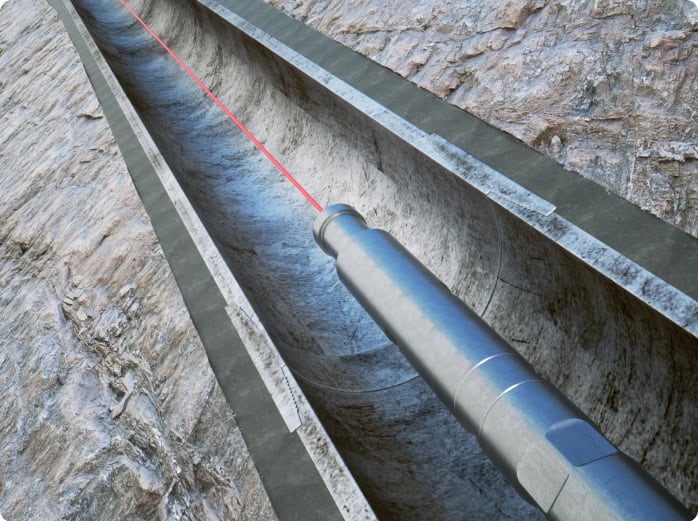
Operators often lack precise, real-time data on which zones are contributing to production, in what proportions, and whether water or gas breakthrough is occurring.
May 6, 2026
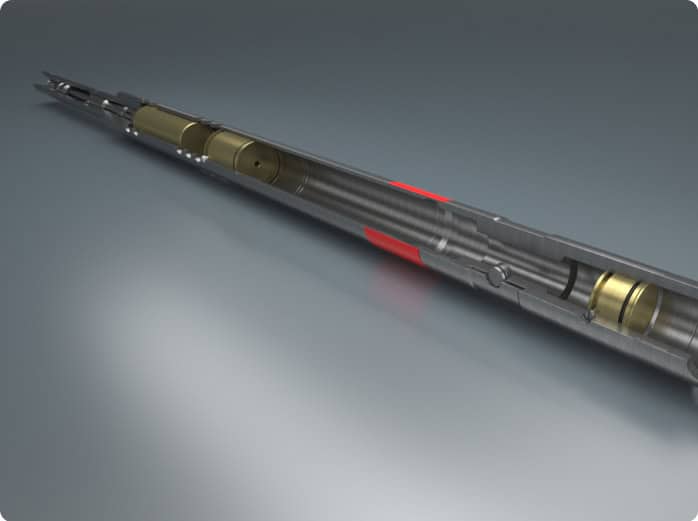
Placing accurate cement plugs in live wells via wireline is challenging because conventional bailers allow wellbore fluid to mix with cement during deployment, compromising plug integrity.
May 6, 2026
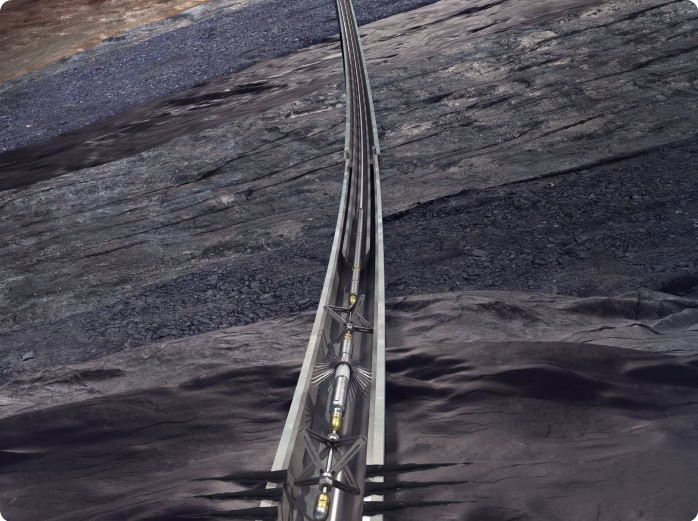
Plugging and abandonment (P&A) operations are among the most expensive activities in well lifecycle management. Rig-based P&A requires pulling the completion, mobilising a workover rig, and executing extended campaigns —…

May 5, 2026
Planned maintenance and unplanned shutdowns require sections of deluge and suppression systems to be isolated, creating temporary gaps in fire protection coverage.
May 5, 2026
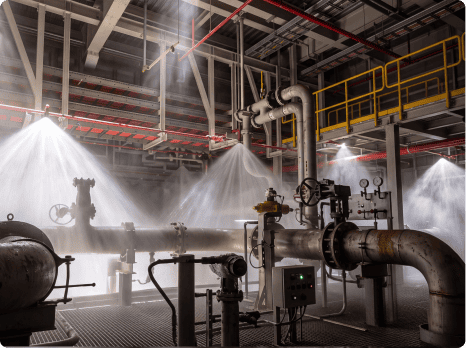
Regulatory and insurance frameworks often require periodic performance testing of deluge fire suppression systems.
May 5, 2026
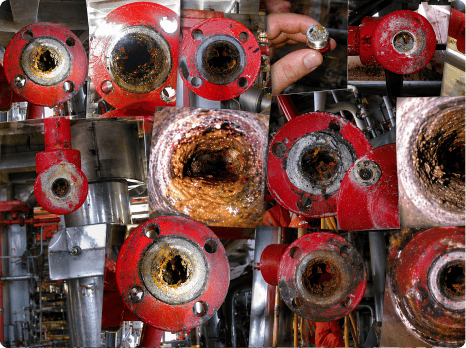
Deluge system nozzles and pipework can become blocked by corrosion debris, scale, marine growth, or biofilm over time.
May 5, 2026
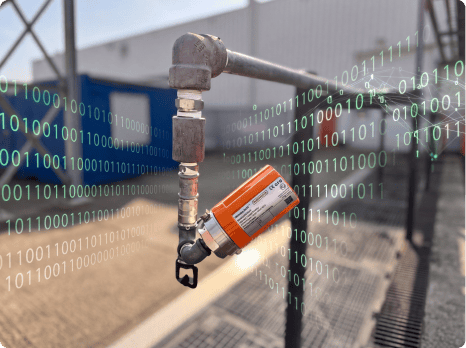
Operators must demonstrate that deluge fire suppression systems meet the design intent and remain compliant with applicable standards such as NFPA 15 or DNV RP-E411.
May 5, 2026
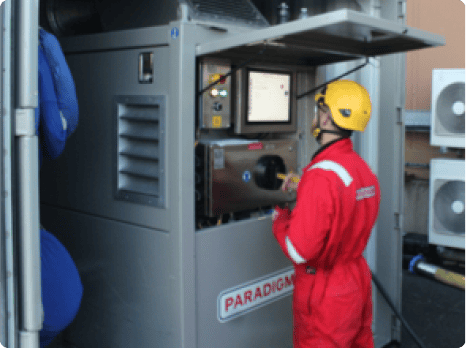
A pig run is meant to be routine maintenance, cleaning, inspecting, or preparing a pipeline for continued operation. But when a pig becomes stuck inside the line, what should be a simple process turns into a costly and urgent…
May 5, 2026
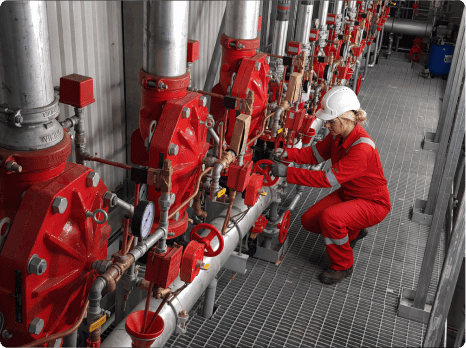
Deluge valves are the critical actuation point for fire suppression systems. A valve that fails to open during a fire event renders the entire deluge zone ineffective.