
Overview
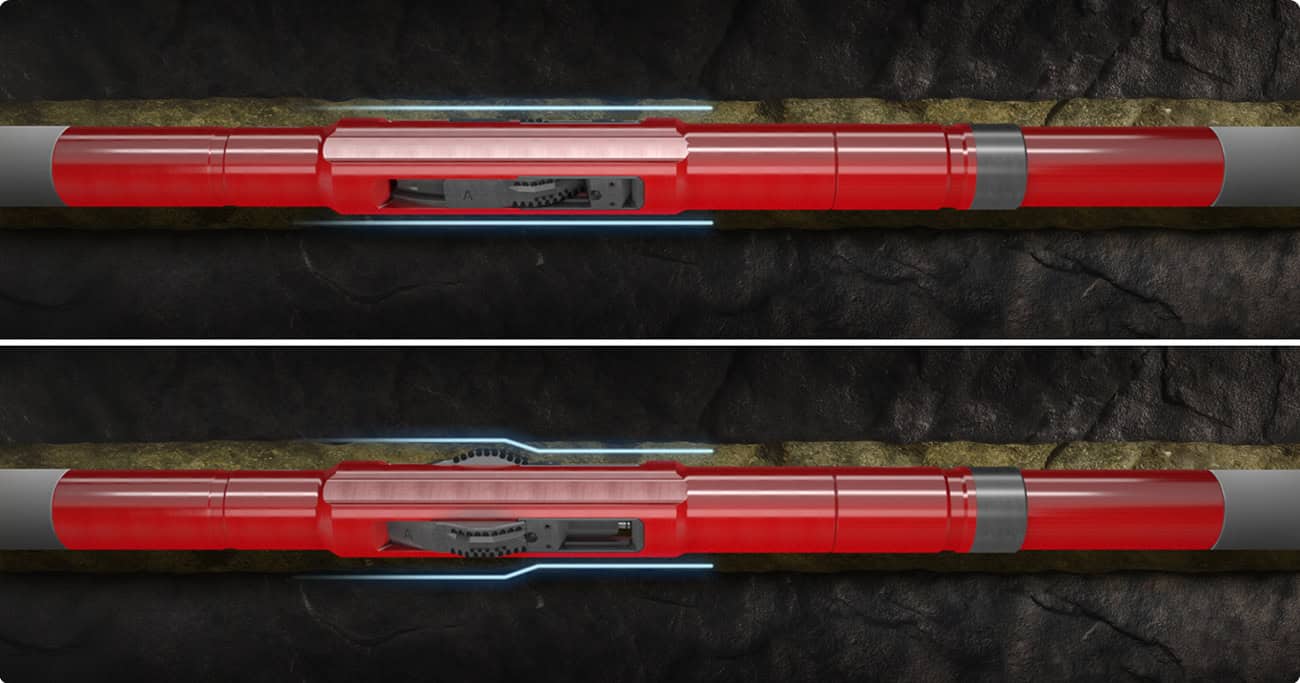
Underreaming in deviated and horizontal wells is problematic because high side-loads on the reamer can cause the tool to close prematurely, leave ledges, or fail to maintain full gauge — resulting in poor hole quality, logging difficulties, casing running issues, and costly remedial passes.
Why It Happens
In lateral and high-angle sections, the drill string lies against the low side of the borehole wall. Friction at contact points absorbs axial force, causing WOB to be erratic or near-zero at the bit. Simultaneously, lateral and axial vibration modes are excited when the string is not adequately supported, amplifying wear and damage throughout the BHA.
How It Can Be Fixed
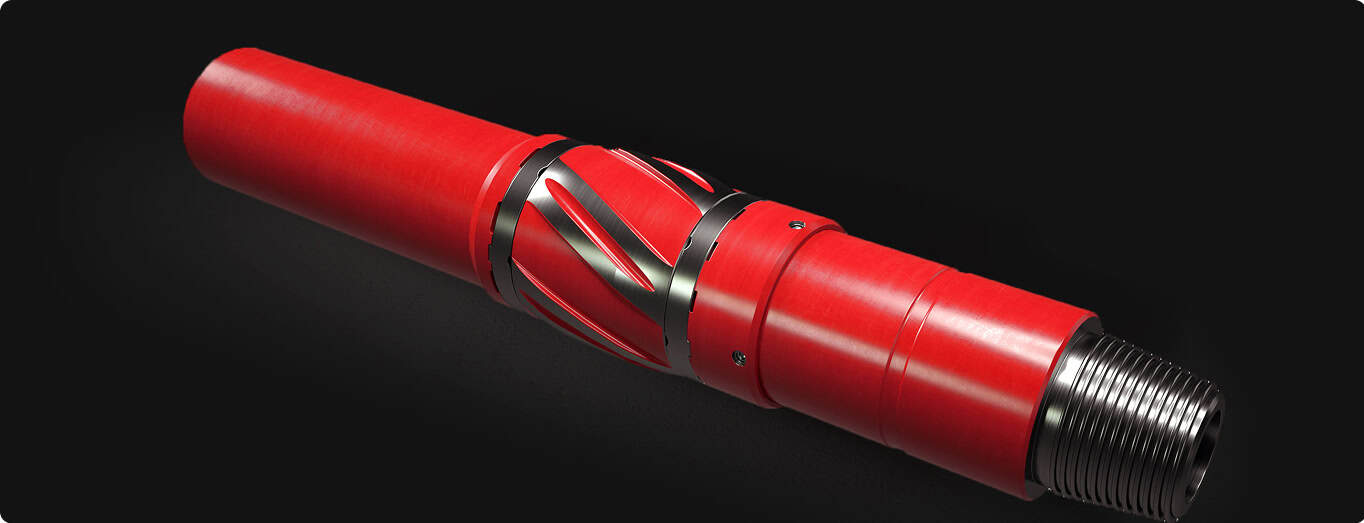
Address vibration and WOB simultaneously by deploying Paradigm’s Driver® in the drill string. The Driver® converts 40–60% of side forces into forward linear traction, providing constant WOB delivery to the bit. Its skewed rollers and bearing technology also reduce axial and lateral vibration, preventing string buckling and lowering ECD impact.
Why Paradigm
Paradigm’s Driver® is engineered specifically to overcome weight-transfer loss and vibration in deviated and horizontal wells. It delivers constant WOB, reduces stick-slip risk, and extends lateral reach — all without increasing surface weight or ECD. It is a compact, purpose-built solution from Paradigm’s drilling optimization portfolio, backed by their application-specific design and operational support services.
Explore the technology
Related services
An expert from Paradigm can assist our customers during operations. Please contact us for further information.