
Overview

A single blocked umbilical tube can disable well control, halt chemical injection for flow assurance, and eventually shut in production — with no easy access for intervention given the subsea environment.
Why It Happens
Umbilical tubes carry hydraulic control fluid, chemical inhibitors, and electrical signals at high pressure over long distances in a harsh subsea environment. Blockages form from hydrate, wax, or scale precipitation, or from particulate contamination. The remote subsea location makes traditional intervention methods impractical and vessel-dependent solutions extremely expensive.
How It Can Be Fixed
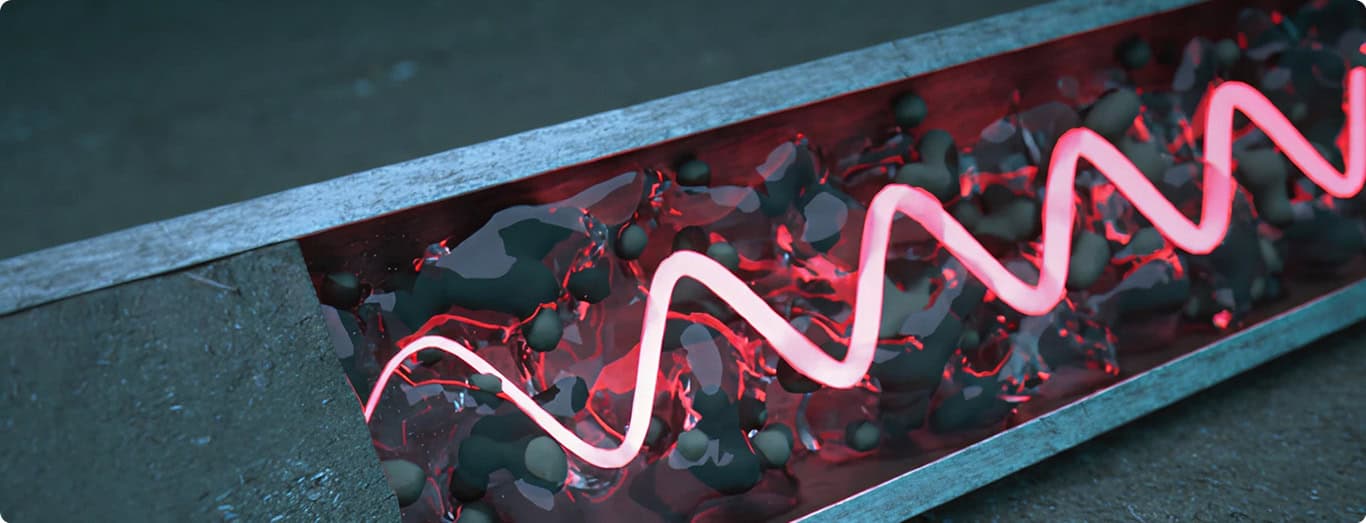
Deploy Paradigm’s Subsea Umbilical Blockage Services (SUBS), which use Time Deflection Reflectometry and proprietary STATIS® software to locate blockages precisely, then apply low-frequency micro pressure pulses to dislodge them. The Subsea Umbilical Flushing Unit (SUFU) allows fluid recovery without continuous vessel support, reducing cost and weather dependency.
Why Paradigm
Paradigm’s SUBS service offers guaranteed mobilisation within 48 hours, precise blockage location using STATIS® software, and a non-intrusive pressure pulse remediation method that avoids the need for costly DSV operations. The SUFU operates independently of vessel support once deployed, making the service weather-resilient and cost-effective — capabilities unique to Paradigm’s production enhancement division.
Explore the technology
Related services
An expert from Paradigm can assist our customers during operations. Please contact us for further information.