
Overview
and can make high-angle or extended-reach wells undrillable without special measures.
Why It Happens
As well inclination increases, the drill string contacts the wellbore wall over a greater length and with greater normal force. Each contact point generates friction torque that accumulates along the string. In short-radius or through-tubing rotary drilling scenarios, these losses can consume the majority of available rotary torque before it reaches the bit.
How It Can Be Fixed
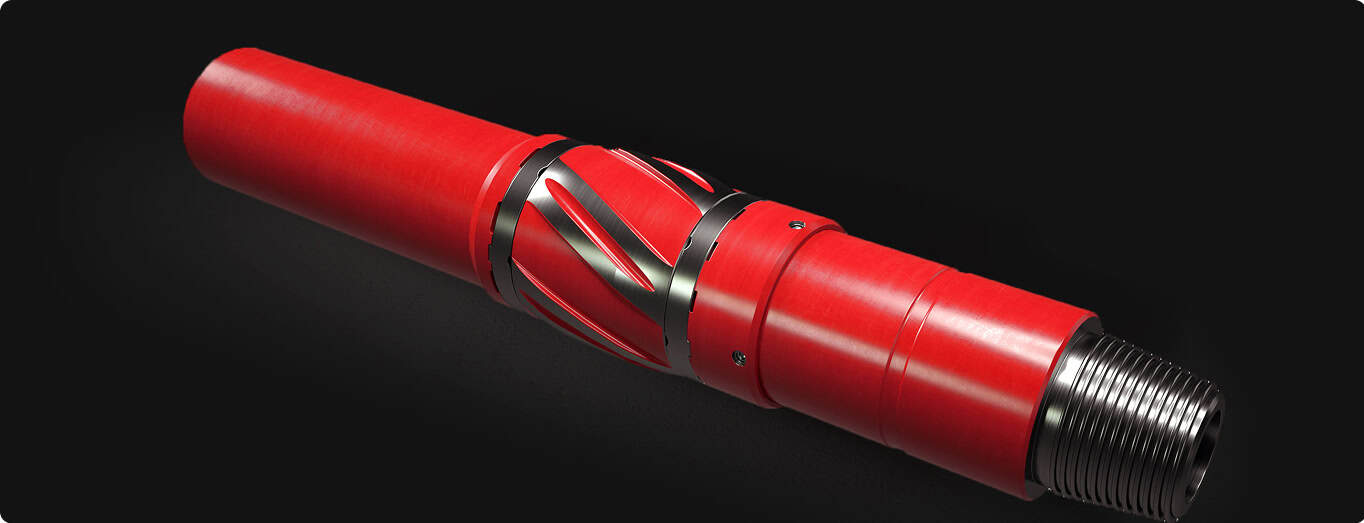
Install Paradigm’s Runner® torque and vibration reduction subs at strategic intervals in the drill string. The non-rotating outer sleeve lifts the pipe off the borehole wall and allows the string to rotate with minimal friction coefficient, reducing drilling torque by 25–40% and enabling consistent torque and ROP delivery to the bit.
Why Paradigm
Paradigm’s Runner® provides a direct, proven mechanical intervention against parasitic torque. It is effective for high-angle wells, short-radius designs, and through-tubing rotary drilling applications. Paradigm’s drilling optimization division offers both the Runner® product and complementary application-specific design and operational support services to engineer the optimum tool spacing and placement for each well.
Explore the technology
Related services
An expert from Paradigm can assist our customers during operations. Please contact us for further information.