
Overview
Poor cement bonding between casing and formation creates migration pathways for formation fluids, leading to sustained annular pressure, surface casing vent flows, and uncontrolled fluid communication between zones.
This compromises well integrity, creates regulatory compliance risk, and can ultimately threaten safe well operation or abandonment.
Why It Happens
Cement placement quality depends on many variables: fluid displacement efficiency, cement slurry design, wellbore geometry, and centralisation. Even when surface parameters suggest a good job, channelling, contamination, or incomplete hydration can leave voids and channels behind the casing that are invisible without logging. Without cement bond logging, these integrity vulnerabilities go undetected.
How It Can Be Fixed
Run cement bond logging using Paradigm’s radial bond tool with eight independent radial segments to provide 360° coverage of the cement-casing-formation interface. The log identifies placement gaps, channels, and zones of poor bonding that require remedial squeeze cementing or plug placement to restore well integrity.
Why Paradigm
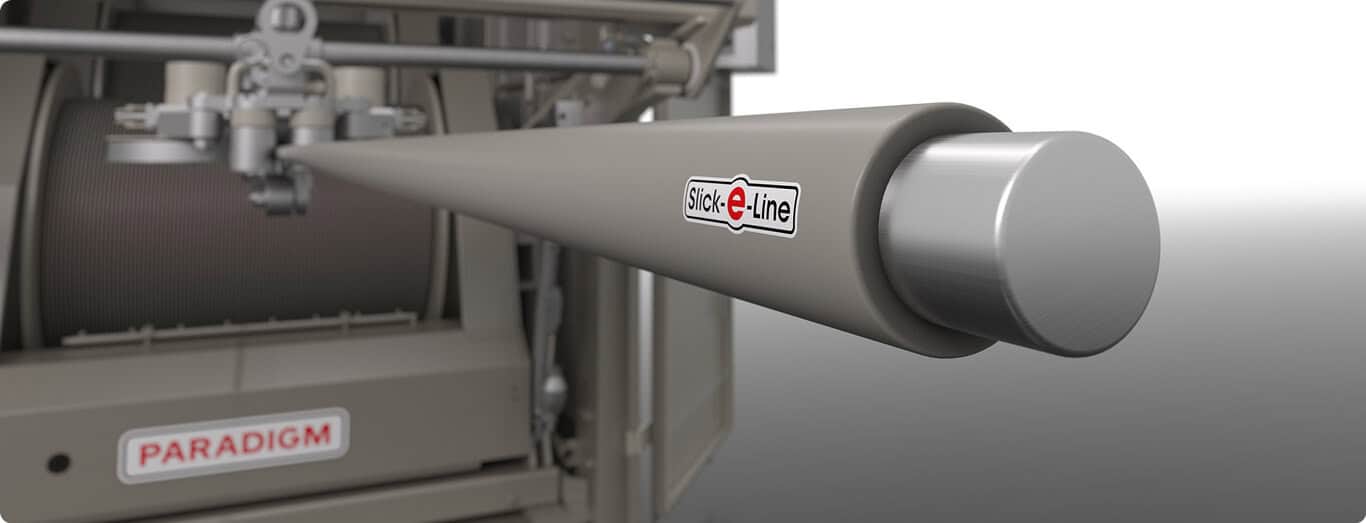
Paradigm Intervention Technologies provides cement bond logging via their Slick-E-Line® platform as part of a comprehensive well integrity evaluation service. The radial bond tool’s eight-segment design ensures circumferential completeness of measurement — critical for detecting channelling that sector tools can miss. Paradigm also offers caliper logging, leak detection, and plug setting services to follow up and remediate integrity findings.
Explore the technology
Related services
An expert from Paradigm can assist our customers during operations. Please contact us for further information.