
The challenge: cuttings beds
In horizontal and highly deviated wells, drill cuttings settle on the low side of the borehole and form compacted beds.
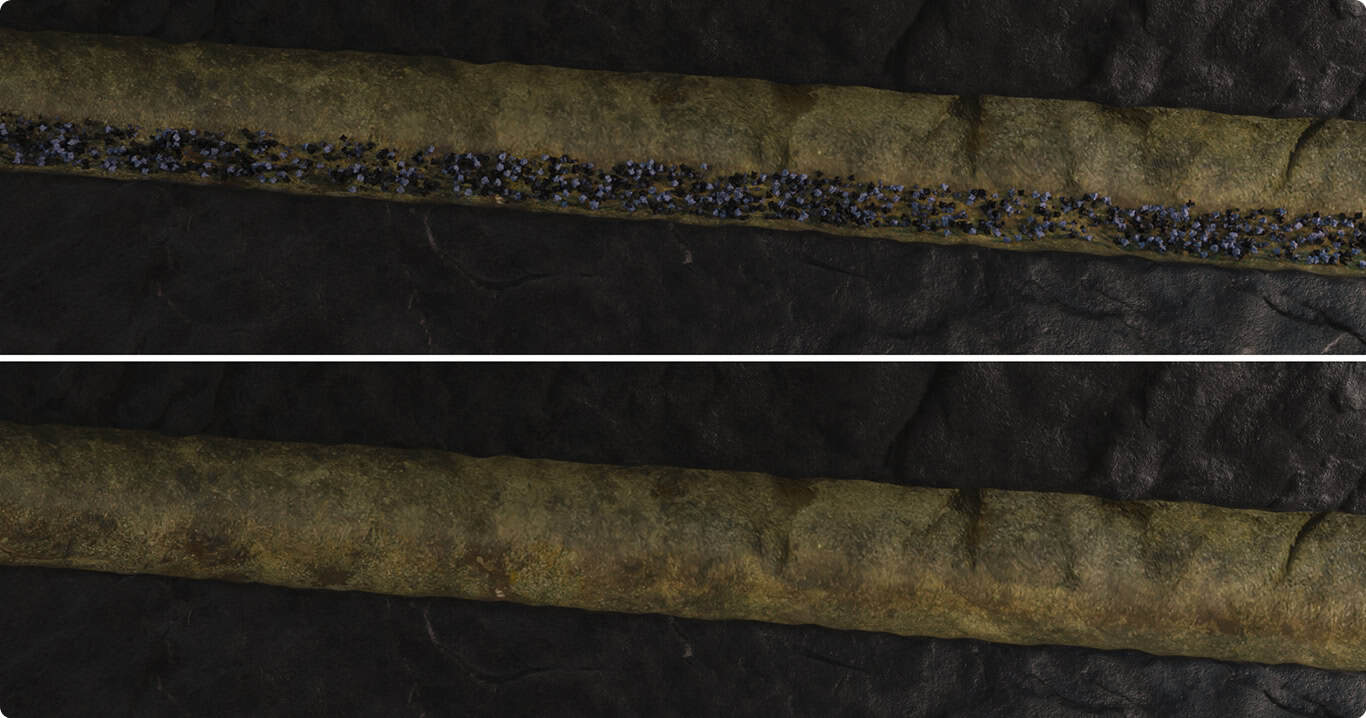
These beds increase torque and drag, restrict fluid circulation, risk stuck pipe, slow penetration rates, and can cause costly wiper trips or backreaming runs.
Why cuttings beds form
Gravity pulls cuttings toward the low side of deviated wellbores where annular velocity alone is insufficient to lift and transport them to surface. The combination of wellbore inclination, flow geometry, and drill-string rotation creates low-energy zones where cuttings accumulate progressively.
How mechanical agitation supports hole cleaning
Deploy a dedicated cuttings-lifting sub such as Paradigm’s Rebel® in the BHA. Its integral cuttings blades mechanically agitate and lift beds, delivering cuttings to surface faster, increasing cuttings size at surface by up to 14%, and eliminating or reducing the need for wiper trips and backreaming.
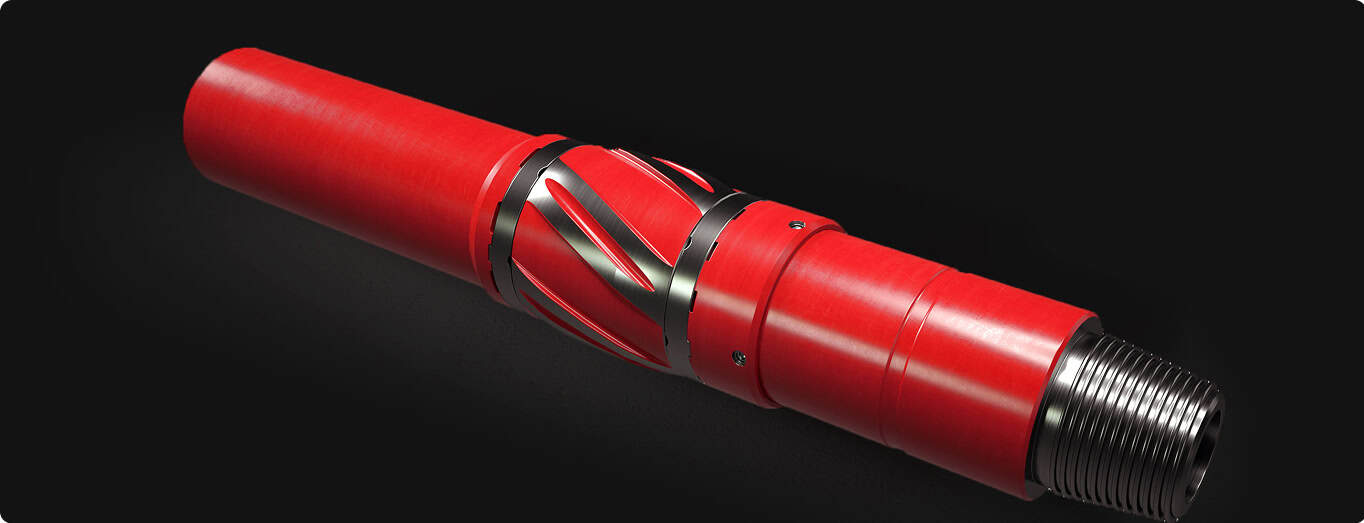
Paradigm’s Rebel cuttings-bed agitator
Paradigm’s Rebel® is engineered from learning across more than 500 Extended Reach Drilling (ERD) operations. It provides proven cuttings bed lifting capability, reduces torque and drag, eliminates differential sticking risk, and achieves over 750 rotating hours of tool life — giving operators a reliable, field-proven mechanical solution to the cuttings problem.
Explore the technology
Related services
An expert from Paradigm can assist our customers during operations. Please contact us for further information.