
Maintaining Fire Safety During System Maintenance or Shutdowns?
Overview
Planned maintenance and unplanned shutdowns require sections of deluge and suppression systems to be isolated, creating temporary gaps in fire protection coverage.
Facilities that lack a structured approach to managing these impairments risk operating with unknown fire protection deficiencies, potentially for extended periods, without adequate compensatory measures in place.
Why It Happens
When deluge systems are isolated for maintenance, inspection, or repair, the standard impairment management process relies on manual tracking, paper-based impairment tags, and informal compensatory actions. Without a systematic method to log, monitor, and close out impairments, the actual fire protection status of a facility at any given time may be unclear to operators, safety managers, and regulatory inspectors.
How It Can Be Fixed
Establish a formal fire protection impairment management programme with Paradigm Fire Protection Services. Paradigm provides temporary fire protection cover — including portable fire suppression equipment and trained fire watch personnel — during planned and unplanned system outages, ensuring that no area of the facility is left without adequate fire safety coverage while maintenance or remediation is in progress.
Why Paradigm
Paradigm Fire Protection Services explicitly offers temporary fire protection cover as part of their service portfolio, deployed during system cleaning, remediation, and maintenance outages. This capability means that operators can safely proceed with deluge system maintenance without leaving assets or personnel unprotected. Combined with Dry-Flo® testing and system remediation services, Paradigm provides continuity of fire protection throughout the full maintenance and compliance lifecycle.
Case Studies
Fire Protection
Services
Services
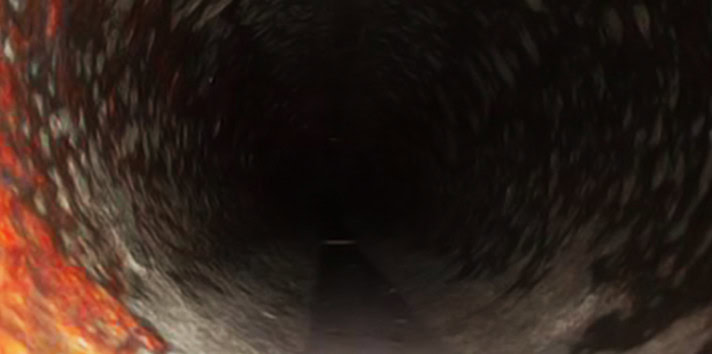
Performance Test and Verification is Paradigm’s service for proving the integrity and real-world capability of deluge and firewater systems using evidence, not assumptions. We combine remote visual inspection with engineering verification to identify what’s happening inside your firewater

Foam Testing: Fire‑fighting foam testing is the process of evaluating foam concentrates and system performance to ensure they will work effectively during an emergency. It typically involves collecting representative foam samples, followed by laboratory analysis to check properties such as pH, specific
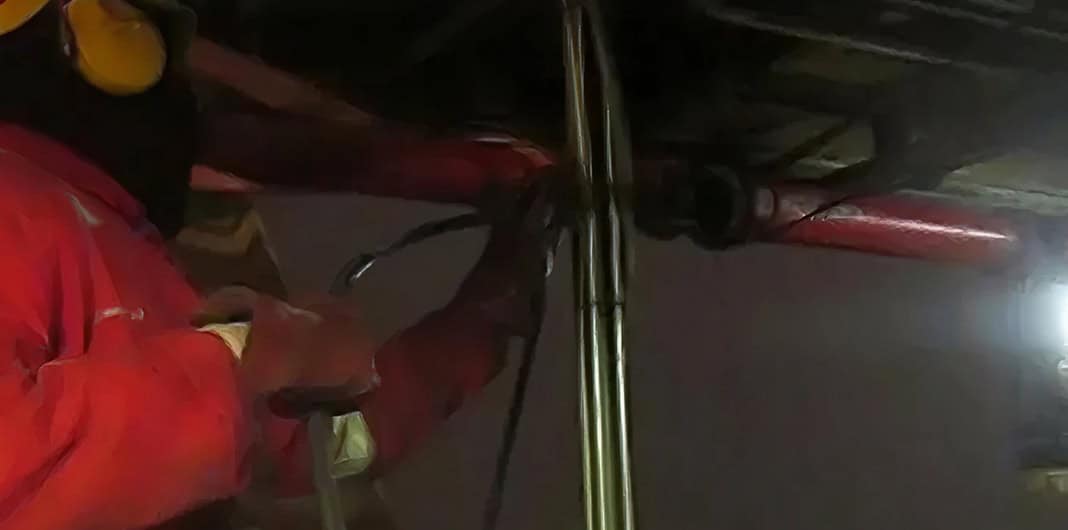
System Cleaning keeps deluge and firewater networks ready to perform when needed, without surprises at the worst possible moment. It’s a practical, cost-effective way to restore flow capacity, remove hidden restrictions, and keep your fire protection system compliant.

Inspections of fire suppression systems involve a systematic check to ensure all components would function properly when called upon. This process typically includes external and internal inspections where suitable. Inspections can vary depending on equipment. Some may require just a visual
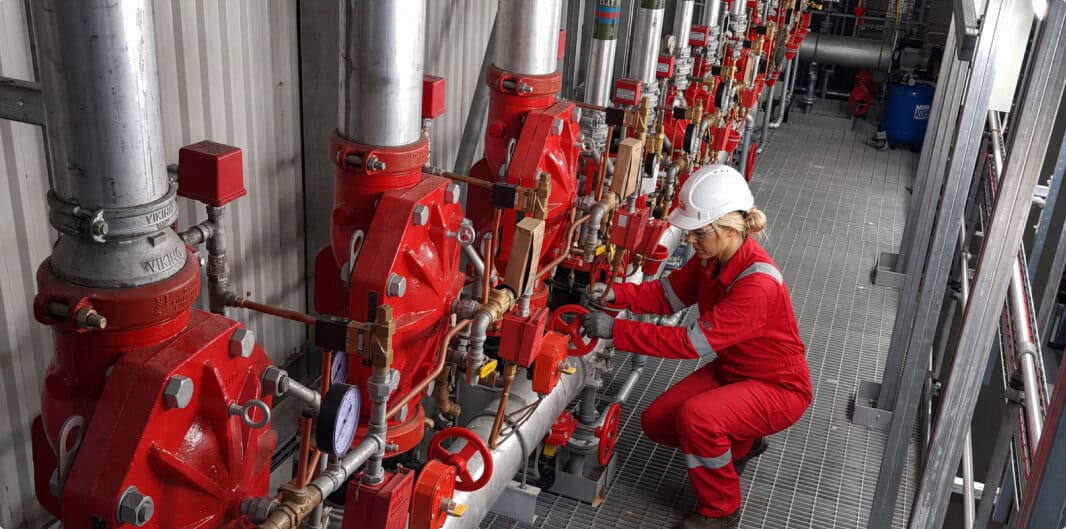
Pipe fabrication is the process of cutting, preparing, assembling and the fitting of pipework that forms the fire suppression system of an asset. Fabrication involves cutting pipes to precise lengths, threading or grooving ends, attaching the required fittings so that each section matches the
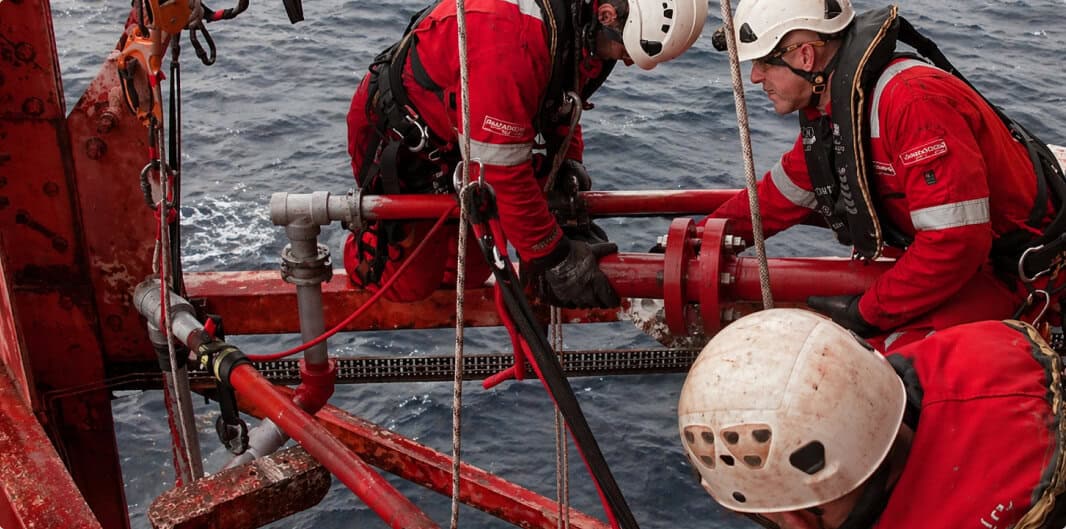
Maintenance of fire suppression systems involves routine inspections, testing and servicing to ensure the equipment operates effectively in an emergency. It typically includes checking components such as controls, extinguishing agents (gaseous), piping networks, discharge mechanisms for damage
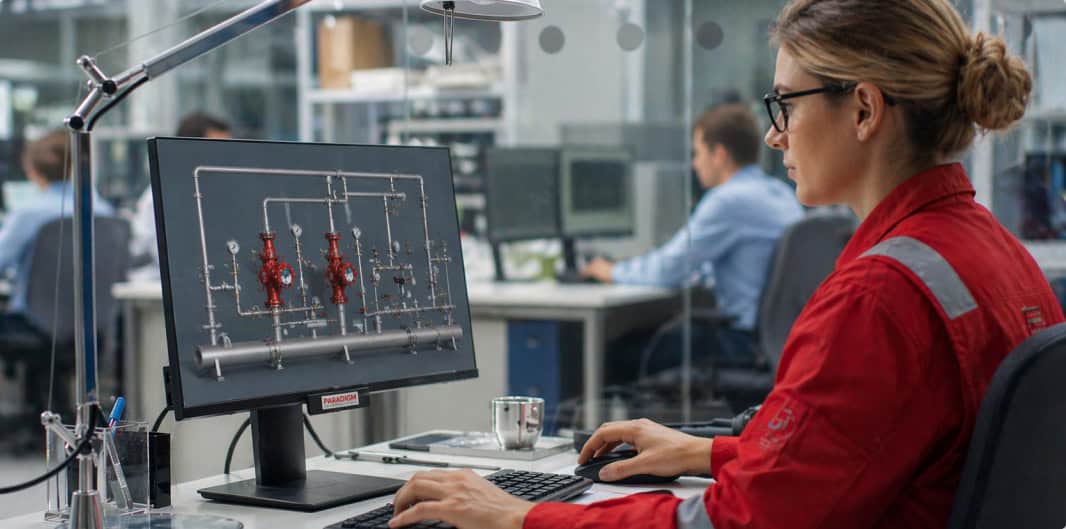
Pipe fabrication is the process of cutting, preparing, assembling and the fitting of pipework that forms the fire suppression system of an asset. Fabrication involves cutting pipes to precise lengths, threading or grooving ends, attaching the required fittings so that each section matches the
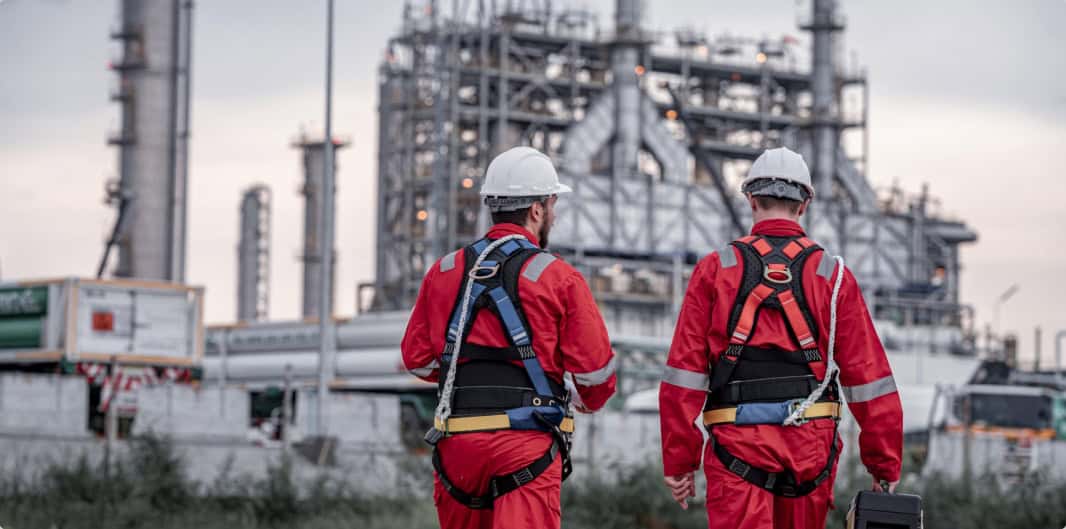
Maintenance of fire suppression systems involves routine inspections, testing and servicing to ensure the equipment operates effectively in an emergency. It typically includes checking components such as controls, extinguishing agents (gaseous), piping networks, discharge mechanisms for damage
Products
Contact Paradigm
Do you wish to discuss a project, have a technical product application question or need to know more about a product or service? Leave us your contact details and an expert from our team will be in touch with you shortly.
Paradigm Group BV is committed to protecting and respecting your privacy, and we’ll only use your personal information to administer your account and to provide the products and services you requested from us. From time to time, we would like to contact you about our products and services, as well as other content that may be of interest to you. You can unsubscribe from these communications at any time. For more information on how to unsubscribe, our privacy practices, and how we are committed to protecting and respecting your privacy, please review our Privacy Policy. By clicking submit button, you consent to allow Paradigm Group BV to store and process the personal information submitted above to provide you the content requested.