
Test Your Deluge System Without Water, Corrosion, or Disruption.
Overview
A pig run is meant to be routine maintenance, cleaning, inspecting, or preparing a pipeline for continued operation. But when a pig becomes stuck inside the line, what should be a simple process turns into a costly and urgent challenge. Operators face downtime, production loss, and potential safety concerns that can quickly escalate.
A pig run is meant to be routine maintenance, cleaning, inspecting, or preparing a pipeline for continued operation. But when a pig becomes stuck inside the line, what should be a simple process turns into a costly and urgent challenge. Operators face downtime, production loss, and potential safety concerns that can quickly escalate. A pig run is meant to be routine maintenance, cleaning, inspecting, or preparing a pipeline for continued operation. But when a pig becomes stuck inside the line, what should be a simple process turns into a costly and urgent challenge. Operators face downtime, production loss, and potential safety concerns that can quickly escalate. A pig run is meant to be routine maintenance, cleaning, inspecting, or preparing a pipeline for continued operation. But when a pig becomes stuck inside the line, what should be a simple process turns into a costly and urgent challenge. Operators face downtime, production loss, and potential safety concerns that can quickly escalate.
Why It Happens
Pigs get stuck for a variety of reasons, often in combination. Deposits such as wax, paraffin, or scale can build up and block forward movement. In some cases, changes in flow regime, like sudden pressure drops or velocity shifts—can trap the tool mid-line. Pipeline design itself can contribute, with sharp bends, diameter transitions, or valve placements creating choke points. Finally, pigs that are not matched to the pipeline’s condition increase the risk of stalling.
How It Can Be Fixed
The key to resolving a stuck pig lies in speed, precision, and the right intervention tools. The process begins with detecting and locating the obstruction. Advanced diagnostic systems can map the pig’s position accurately, reducing guesswork and limiting downtime. Once the pig is located, targeted remediation technologies—such as controlled pressure pulses or specialized mechanical and chemical methods—are applied to free it. Just as important is prevention: addressing deposit build-up and optimizing pigging programs reduces the likelihood of recurrence.
Why Paradigm
This is where Paradigm makes the difference. With a field-proven global track record, we bring both the technology and the expertise to resolve stuck pig incidents quickly and safely. Our proprietary tools, including Find-Block® for pinpoint location and Pipe-Pulse® for controlled remediation, have been deployed successfully across some of the world’s most challenging pipelines. Safety is at the heart of our operations, ensuring that interventions minimize risk while restoring flow. More than just a service provider, Paradigm partners with operators to deliver long-term assurance—designing pigging strategies and preventive measures to keep pipelines running smoothly.
Case Studies
Fire Protection
Services
Services
Performance Test and Verification is Paradigm’s service for proving the integrity and real-world capability of deluge and firewater systems using evidence, not assumptions. We combine remote visual inspection with engineering verification to identify what’s happening inside your firewater

Foam Testing: Fire‑fighting foam testing is the process of evaluating foam concentrates and system performance to ensure they will work effectively during an emergency. It typically involves collecting representative foam samples, followed by laboratory analysis to check properties such as pH, specific
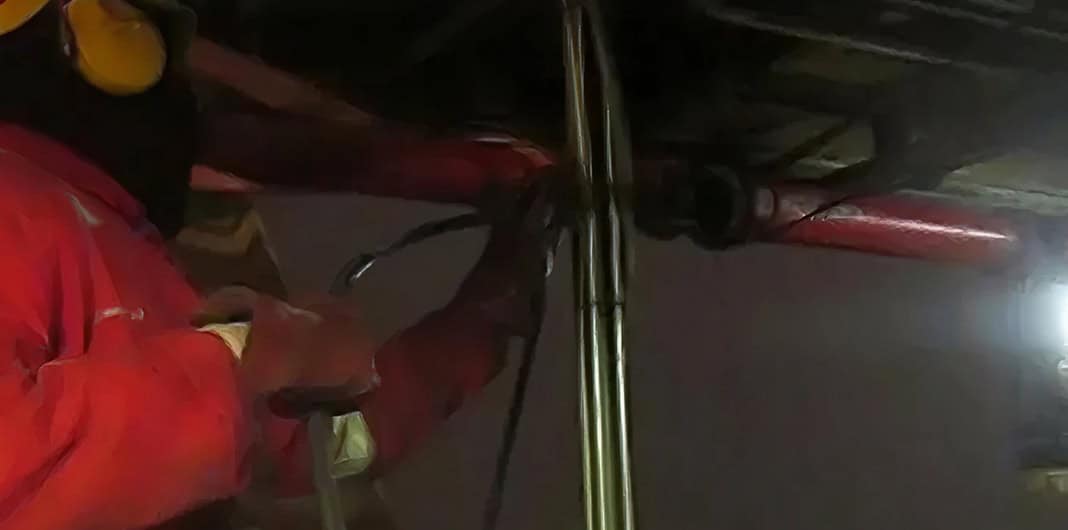
System Cleaning keeps deluge and firewater networks ready to perform when needed, without surprises at the worst possible moment. It’s a practical, cost-effective way to restore flow capacity, remove hidden restrictions, and keep your fire protection system compliant.

Inspections of fire suppression systems involve a systematic check to ensure all components would function properly when called upon. This process typically includes external and internal inspections where suitable. Inspections can vary depending on equipment. Some may require just a visual
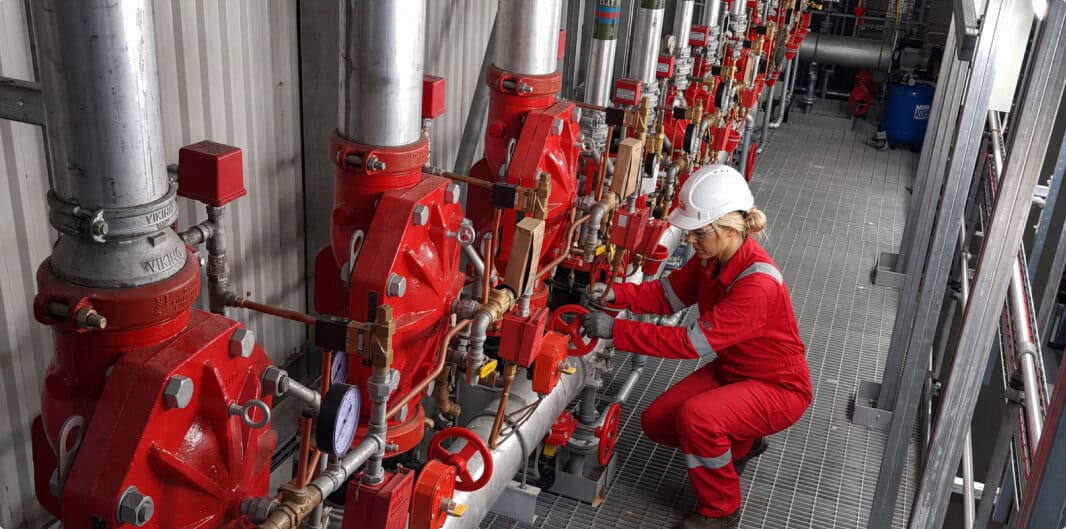
Pipe fabrication is the process of cutting, preparing, assembling and the fitting of pipework that forms the fire suppression system of an asset. Fabrication involves cutting pipes to precise lengths, threading or grooving ends, attaching the required fittings so that each section matches the
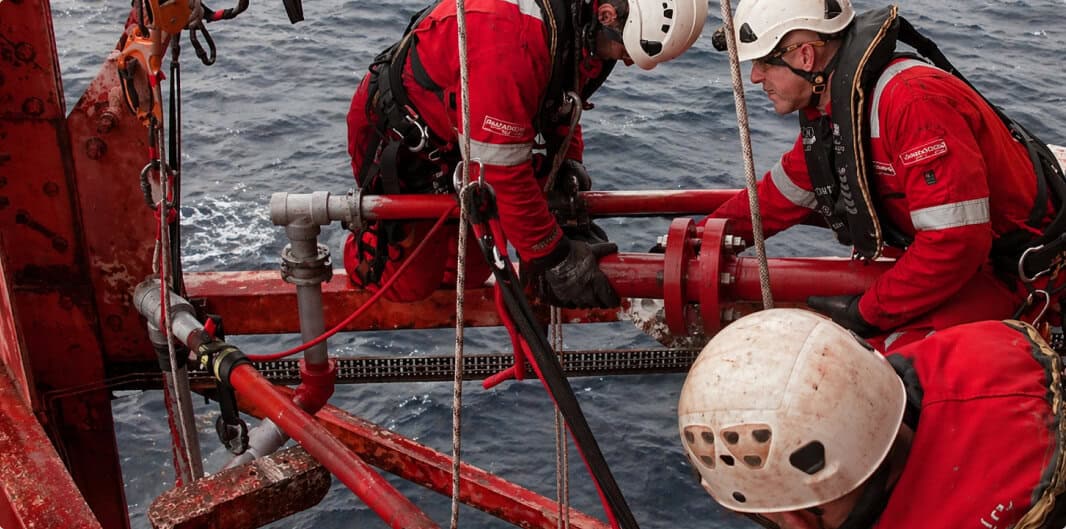
Maintenance of fire suppression systems involves routine inspections, testing and servicing to ensure the equipment operates effectively in an emergency. It typically includes checking components such as controls, extinguishing agents (gaseous), piping networks, discharge mechanisms for damage
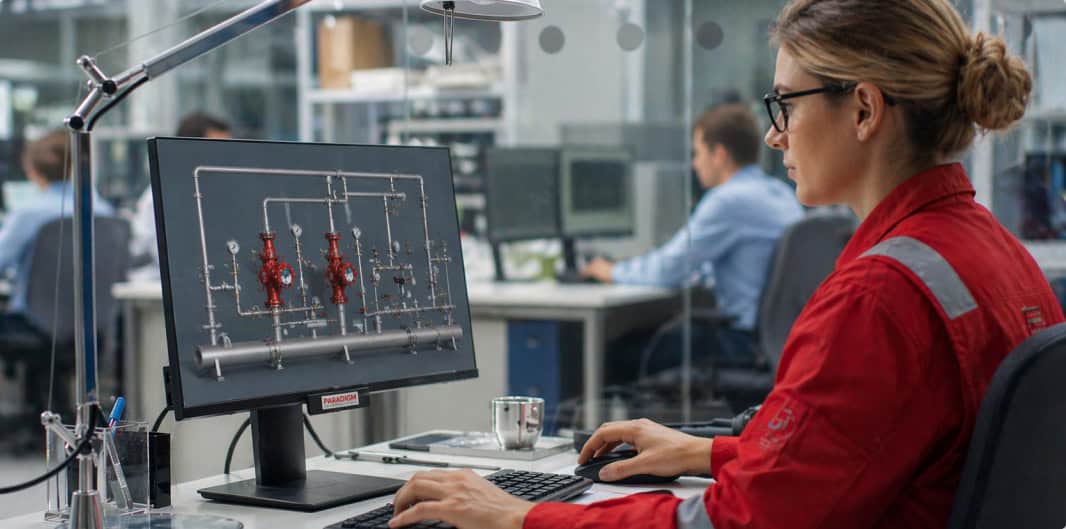
Pipe fabrication is the process of cutting, preparing, assembling and the fitting of pipework that forms the fire suppression system of an asset. Fabrication involves cutting pipes to precise lengths, threading or grooving ends, attaching the required fittings so that each section matches the
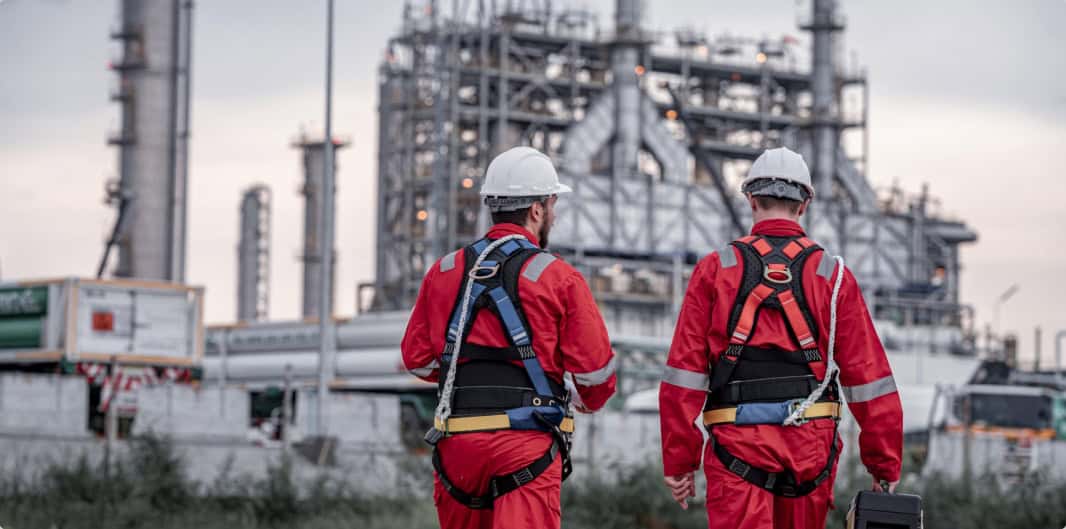
Maintenance of fire suppression systems involves routine inspections, testing and servicing to ensure the equipment operates effectively in an emergency. It typically includes checking components such as controls, extinguishing agents (gaseous), piping networks, discharge mechanisms for damage
Products
Contact Paradigm
Do you wish to discuss a project, have a technical product application question or need to know more about a product or service? Leave us your contact details and an expert from our team will be in touch with you shortly.
Paradigm Group BV is committed to protecting and respecting your privacy, and we’ll only use your personal information to administer your account and to provide the products and services you requested from us. From time to time, we would like to contact you about our products and services, as well as other content that may be of interest to you. You can unsubscribe from these communications at any time. For more information on how to unsubscribe, our privacy practices, and how we are committed to protecting and respecting your privacy, please review our Privacy Policy. By clicking submit button, you consent to allow Paradigm Group BV to store and process the personal information submitted above to provide you the content requested.