

Facing Production Threats from Blocked Umbilical Lines?
Subsea umbilical blockages cut off the control and chemical injection pathways that subsea trees and manifolds depend on.


Subsea umbilical blockages cut off the control and chemical injection pathways that subsea trees and manifolds depend on.
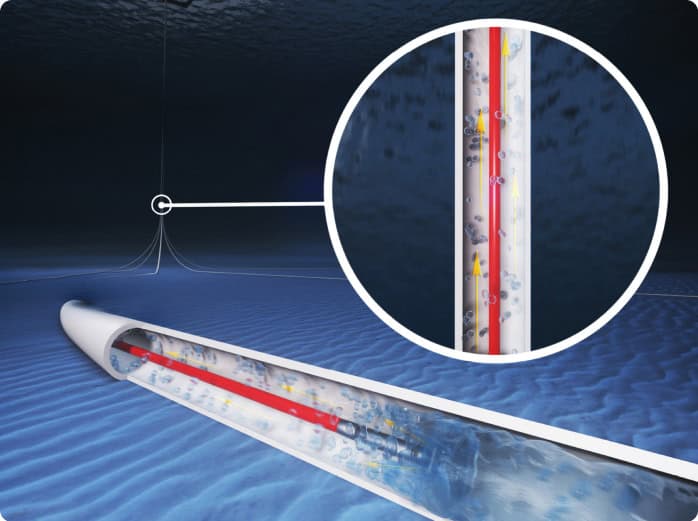
Installing gas lift infrastructure in existing risers typically requires significant subsea intervention — often a DSV or rig — to retrofit mandrels, pipework, and control systems.

When flow assurance deposits, wax, asphaltene, hydrate, or sand , build to a full-bore blockage in an unpiggable pipeline, operators face a critical production threat.
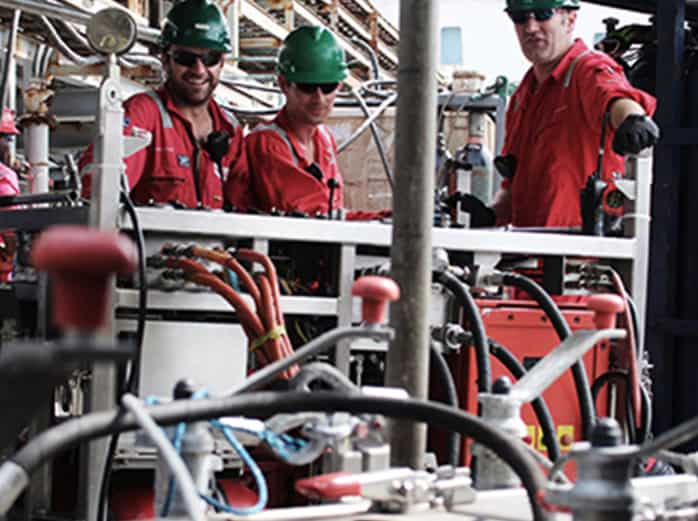
A full-bore blockage in a subsea flowline or pipeline completely stops production from the affected field or well.

In horizontal and highly deviated wells, drill cuttings settle on the low side of the borehole and form compacted beds.

Underreaming in deviated and horizontal wells is problematic because high side-loads on the reamer can cause the tool to close prematurely, leave ledges, or fail to maintain full gauge — resulting in poor hole quality, logging…
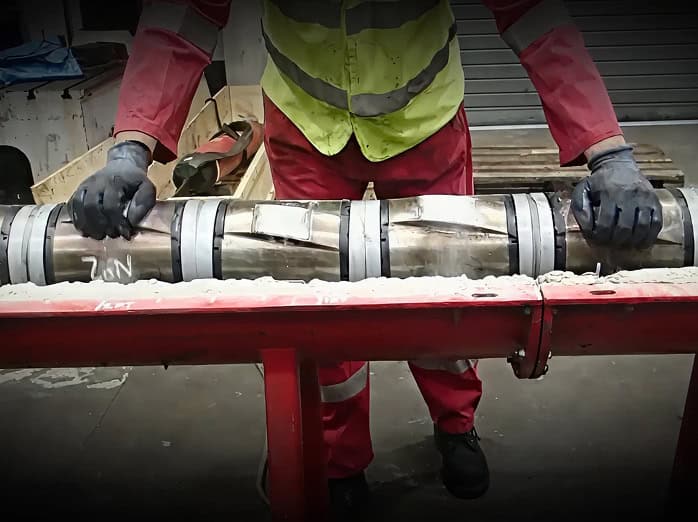
Excessive BHA vibration and inconsistent WOB transfer are among the leading causes of drill bit wear, MWD/LWD tool failure, reduced ROP, and increased flat time.
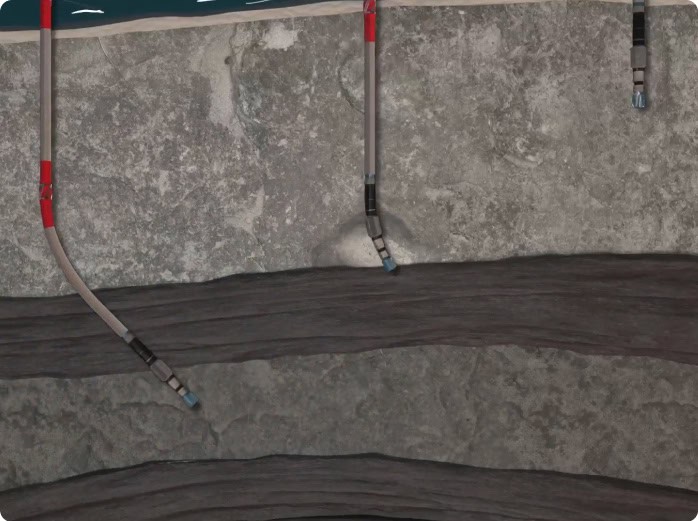
Parasitic torque friction generated between the rotating drill string and the wellbore wall robs energy from the system, limits achievable ROP, accelerates string wear, causes casing damage,